Muchos trabajadores utilizan la expresión «demanda por accidente laboral» para referirse al proceso de reclamar una indemnización tras haber sufrido una lesión en el trabajo.
Puede que estén intentando que se les cubran los gastos médicos, recuperar los ingresos perdidos o averiguar si se puede responsabilizar a alguien de lo ocurrido.
Pero, en la mayoría de los casos, el primer paso no es, en absoluto, una demanda judicial. Se trata de una solicitudde indemnización por accidente laboral.
Esa distinción es importante porque una reclamación, un litigio sobre prestaciones, una audiencia, un recurso y una demanda contra un tercero son vías legales diferentes. Aunque puedan derivarse de la misma lesión laboral, no todas se tramitan de la misma manera.
Analicemos la diferencia entre estas dos vías y en qué casos un accidente laboral puede implicar algo más que una simple solicitud de prestaciones.
¿Qué es una demanda por accidente laboral?
En el uso cotidiano, la expresión«demanda por accidente laboral»no siempre se refiere a una demanda judicial tradicional contra un empresario.
Los trabajadores lesionados suelen utilizar esta expresión para describir diversas situaciones jurídicas que pueden surgir tras un accidente laboral, como la denegación de prestaciones, la controversia sobre el tratamiento médico, una audiencia, un recurso, una reclamación por daños y perjuicios contra un tercero o un problema relacionado con un empresario que no cuenta con el seguro obligatorio de accidentes de trabajo.
El sistema jurídico utiliza categorías distintas. Los trabajadores lesionados, por lo general, no lo hacen. A menudo solo saben que han sufrido una lesión, que las prestaciones son inciertas y que puede que haya alguien responsable.
Cómo funciona una demanda por indemnización laboral
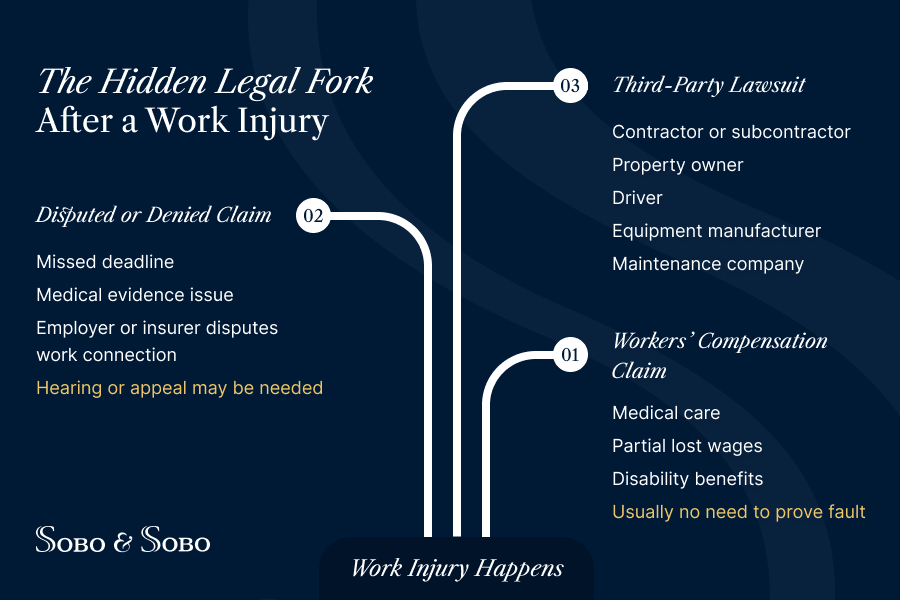
El procedimiento varía en función del tipo de problema jurídico que tenga el trabajador.
- Una reclamación denegada puede implicar la presentación de historiales médicos adicionales, formularios, plazos, audiencias o recursos.
- Un litigio sobre las prestaciones puede centrarse en si el tratamiento es necesario, si la lesión está relacionada con el trabajo o si los pagos salariales se han calculado correctamente.
- Un litigio con terceros puede implicar la presentación de documentos ante los tribunales, la investigación, la fase de presentación de pruebas, las negociaciones para llegar a un acuerdo y, posiblemente, un juicio.
La primera pregunta no suele ser «¿Puedo demandar?». La pregunta más adecuada es: «¿Qué vía jurídica se aplica a este accidente laboral?».
Qué suelen cubrir las prestaciones de la indemnización por accidente laboral
Las prestaciones en un casode indemnización por accidente laboralsuelen centrarse en la asistencia médica y la pérdida de ingresos. En función de la legislación estatal y de las circunstancias de la lesión, las prestaciones pueden cubrir el tratamiento, la medicación, la fisioterapia, las prestaciones por incapacidad, la sustitución parcial del salario y la rehabilitación.
Si un tercero ha causado la lesión, quizá lo más adecuado sea interponer una demanda independiente en el marco del régimen de indemnización por accidentes de trabajo.
Por qué la mayoría de las lesiones laborales se tramitan mediante reclamaciones
Los trabajadores lesionados suelen presentar reclamaciones de indemnización laboral como vía principal para obtener prestaciones. Por lo general, en estas reclamaciones no es necesario demostrar que el empresario haya cometido ninguna infracción.
Esto puede resultar frustrante tras un accidente que se podría haber evitado, pero la situación cambia si se deniegan las prestaciones, la empresa carece de la cobertura obligatoria, se aplica una excepción legal o otra parte ha contribuido a la lesión. En esos casos, podría estar justificada una demanda por indemnización laboral.
¿Cuál es la diferencia entre una reclamación de indemnización por accidente laboral y una demanda judicial?
Las dos vías responden a preguntas diferentes.
En el ámbito de la indemnización por accidente laboral, normalmente se evalúa si la lesión está relacionada con el trabajo y si se tienen derecho a prestaciones en virtud del sistema de indemnización por accidente laboral.
Por otra parte, la legislación que regula las demandas por daños personales gira en torno a la cuestión de si la negligencia de una persona ha causado un perjuicio y si es posible obtener una indemnización mediante un proceso judicial.
Reclamaciones por accidentes laborales
Se puede presentar una reclamación de indemnización por accidente laboral tras sufrir muchos tipos de lesiones en el lugar de trabajo, entre ellas:
- Lesiones causadas por maquinaria
- Accidentes de tráfico relacionados con el trabajo
- Lesiones por esfuerzo repetitivo
- Enfermedades profesionales
- Quemaduras, cortes o fracturas
- Lesiones en la espalda, el cuello, los hombros o las rodillas
- Accidentes en andamios
Por lo general, la culpa no es lo más importante. La cuestión clave es si la lesión se produjo en el marco del trabajo y si las pruebas médicas respaldan la reclamación.
Demandas por lesiones personales
Una demandapor daños personalessuele requerir que se demuestre que la lesión fue causada por la negligencia de otra persona.
En un caso de accidente laboral, esto puede ser posible cuando alguien distinto del empresario haya causado el accidente o haya contribuido a él, como un conductor, un subcontratista, el fabricante del equipo, el propietario del inmueble, una empresa de mantenimiento, un proveedor u otra empresa que trabaje en el mismo lugar.
Diferencias clave que deben conocer los trabajadores lesionados
Por lo general, el sistema no exige que se demuestre la culpa del empresario cuando se presenta una reclamación de indemnización por accidente laboral a través del sistema de indemnización por accidente laboral. Solo exige que la lesión esté relacionada con el trabajo.
Normalmente se exige demostrar la negligencia cuando se presenta una demanda por indemnización laboral ante un tribunal. Una demanda puede dar lugar a una indemnización más amplia si un tercero ha causado la lesión o ha contribuido a ella.
¿Se puede presentar una demanda para reclamar una indemnización por accidente laboral?
Por lo general, no se presenta una demanda para solicitar prestaciones por accidente laboral. Se presenta una reclamación.
Situaciones en las que pueden interponerse demandas
Puede darse el caso de una demanda por indemnización laboral o de un litigio formal cuando:
- El tratamiento médico es objeto de controversia
- Se suspenden las prestaciones salariales o se abonan por un importe inferior al debido
- El accidente lo provocó un tercero
- El equipo defectuoso contribuyó a la lesión.
- El propietario de un inmueble provocó unas condiciones peligrosas
- El peligro fue provocado por un contratista o un subcontratista
- Otro conductor atropelló al trabajador mientras este realizaba sus tareas laborales
- La empresa no contaba con el seguro de accidentes de trabajo obligatorio
- El empresario causó el daño de forma intencionada
Normas sobre la inmunidad del empresario
Las leyes de indemnización por accidentes de trabajosuelen limitar las demandas por negligencia directa contra los empresarios en caso de lesiones laborales comunes. Esto se conoce a veces como «inmunidad del empresario» o «norma del recurso exclusivo», y las excepciones varían según el estado.
Excepciones a las reclamaciones habituales de indemnización por accidente laboral
Algunos casos pueden implicar cuestiones que van más allá de una reclamación habitual, como daños intencionados, falta del seguro obligatorio, negligencia de terceros, herramientas o maquinaria defectuosas, determinadas reclamacionespor accidentes de obrao conductas del empresario que no entran dentro del ámbito de la negligencia laboral habitual. En estos casos, los trabajadores pueden interponer una demanda por indemnización laboral.
¿Qué es una reclamación contra terceros tras un accidente laboral?
Una reclamación contra un tercero tras un accidente laboral suele consistir en una reclamación por daños personales independiente dirigida contra alguien distinto del empresario.
Un repartidor atropellado mientras trabajaba, un obrero de la construcción lesionado por otro subcontratista o un trabajador de almacén herido por maquinaria defectuosa pueden tener tanto derecho a una indemnización por accidente laboral como a una reclamación independiente contra terceros.
Ejemplos de responsabilidad civil frente a terceros
Una reclamación contra terceros puede involucrar a un contratista, un subcontratista, el propietario del inmueble, un conductor, el fabricante de la maquinaria, una empresa de mantenimiento, un proveedor u otra empresa presente en el mismo lugar de trabajo. La cuestión clave es si alguien ajeno a la relación entre el empresario y el trabajador ha creado o contribuido a la situación de riesgo. De ser así, el trabajador lesionado podría interponer una demanda de indemnización laboral contra terceros.
Accidentes de construcción
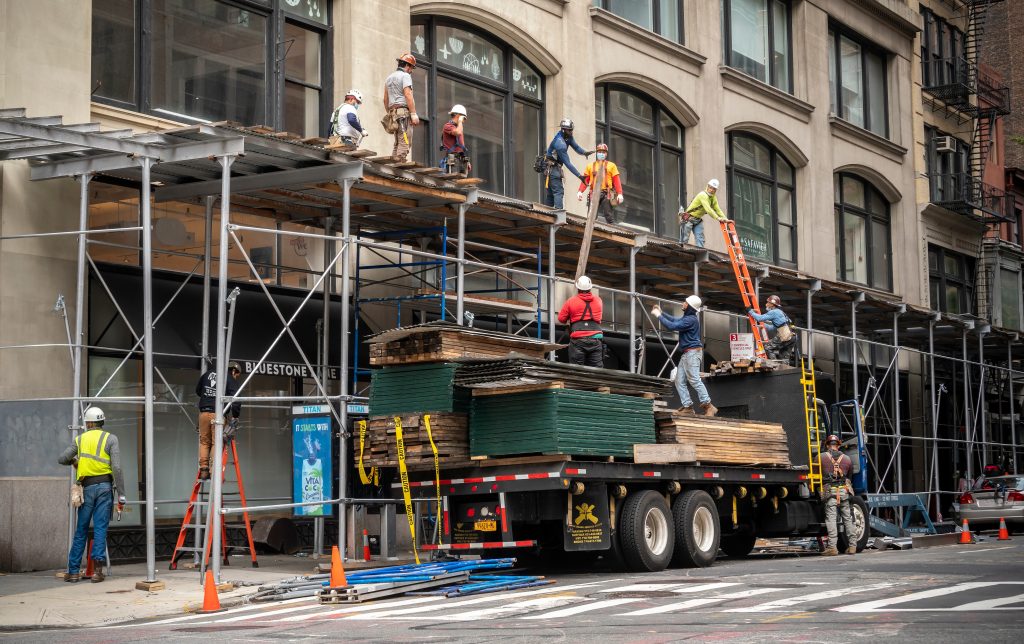
En las obras de construcción suele haber varias empresas trabajando en el mismo lugar, por lo que podría plantearse una reclamación contra terceros si otro contratista, subcontratista, propietario del inmueble o proveedor de maquinaria hubiera contribuido a generar el riesgo.
Lesiones causadas por equipos defectuosos
Si las lesiones se debieron a herramientas, maquinaria, escaleras o carretillas elevadoras defectuosas, a la falta de protecciones de seguridad o a advertencias inadecuadas, la reclamación contra terceros podría dirigirse al fabricante, al distribuidor, a la empresa de alquiler o al proveedor de servicios de mantenimiento.
Accidentes de tráfico durante el trabajo
Si otroconductor atropella a un trabajadorque está conduciendo en el marco de su trabajo, este puede tener derecho a una indemnización por accidente laboral y a una reclamación por daños personales independiente contra el conductor culpable.
¿Qué prestaciones puedes recibir a través del seguro de accidentes de trabajo?
La asistencia médica y la pérdida de ingresos son los aspectos más habituales de las prestaciones por accidente laboral. Dependiendo de la legislación estatal, las prestaciones pueden cubrir el tratamiento, la compensación parcial del salario, las prestaciones por incapacidad, la medicación, la terapia y la rehabilitación. Puede ser conveniente interponer una demanda independiente por accidente laboral cuando la lesión haya sido causada por un tercero o cuando el trabajador sufra pérdidas que el seguro de accidentes laborales no cubra en su totalidad.
¿Qué ocurre durante un proceso judicial por indemnización laboral?
El proceso depende del tipo de problema al que te enfrentes. Una reclamación de indemnización laboral denegada, un litigio sobre el tratamiento médico y una demanda contra un tercero no siguen el mismo procedimiento.
Presentación de la reclamación
Tras sufrir un accidente laboral, los primeros pasos suelen consistir en notificar el accidente, recibir asistencia médica y presentar los formularios necesarios a través del sistema estatal correspondiente. Si se acepta la reclamación y se abonan correctamente las prestaciones, es posible que el caso nunca llegue a convertirse en un pleito o en un litigio formal.
Investigación y pruebas
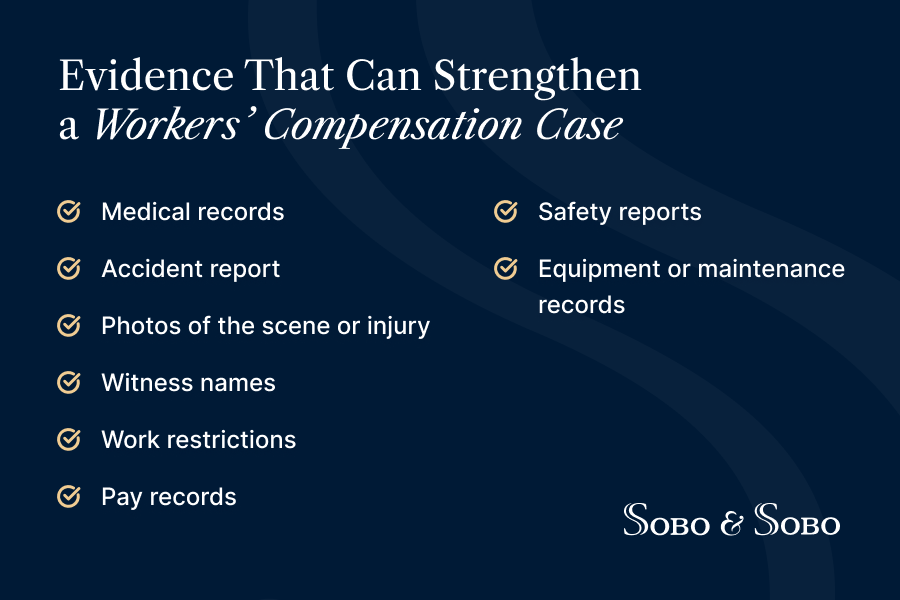
La reclamación suele basarse en lo que constan en los expedientes, incluyendo cómo se produjo la lesión, cuándo se notificó, qué tratamiento fue necesario y si otra parte contribuyó al accidente. Entre las pruebas útiles pueden figurar historiales médicos, informes de accidentes, fotografías, nombres de testigos, restricciones laborales, nóminas, informes de seguridad y comunicaciones con el empleador o la aseguradora.
Negociaciones para llegar a un acuerdo
Antes de aceptar un acuerdo, asegúrate de comprender qué es lo que cubre, qué aspectos quedan pendientes y si afecta a la asistencia médica, las prestaciones salariales, los tratamientos futuros o cualquier reclamación contra terceros. Llegar rápidamente a un acuerdo en una demanda por indemnización laboral puede ser arriesgado si el tratamiento aún está en curso o si las limitaciones permanentes no están claras.
Audiencias o litigios
Podría ser necesaria una audiencia si surge una controversia sobre la relación con el trabajo, el tratamiento, la indemnización salarial, las condiciones de reincorporación al trabajo o los requisitos de presentación de documentos. Una demanda contra terceros puede implicar la presentación de documentos ante el tribunal, la fase de intercambio de pruebas, las declaraciones juradas, las negociaciones y, posiblemente, un juicio.
Motivos habituales por los que se deniegan las reclamaciones de indemnización por accidente laboral
La denegación de una reclamación es uno de los motivos más habituales por los que un trabajador lesionado empieza a buscar información sobre una demanda por indemnización laboral. Es importante revisar la carta de denegación lo antes posible, ya que en ella pueden figurar el motivo de la denegación, el plazo para responder y las pruebas que, según la aseguradora o la agencia de indemnización laboral, faltan.
Plazos incumplidos
Las reclamaciones pueden ser denegadas cuando un trabajador lesionado comunica la lesión demasiado tarde, incumple un plazo de presentación, retrasa la atención médica o presenta la documentación incompleta.
Los plazos varían según el estado. Esa es una de las razones por las que es importante actuar con rapidez tras recibir una denegación o una notificación de la aseguradora.
Falta de pruebas médicas
Las compañías de seguros suelen poner en duda las reclamaciones cuando los historiales médicos no establecen una relación clara entre la lesión y el trabajo.
Explica a tu médico cómo se produjo la lesión, cuándo comenzaron los síntomas, qué tarea laboral estabas realizando y todas las zonas en las que sientes dolor.
Conflictos relacionados con los accidentes laborales
Los empresarios o las aseguradoras pueden alegar que la lesión se produjo fuera del ámbito laboral, que se debe a una afección preexistente o que no es lo suficientemente grave como para tener derecho a prestaciones.
Estas disputas suelen girar en torno a los informes de accidentes, la cronología de los síntomas, los testimonios de los testigos, las funciones del puesto de trabajo, el historial médico y los registros de tratamiento.
¿Necesitas un abogado especializado en indemnizaciones por accidentes laborales?
Es posible que no necesites un abogado si se trata de una reclamación de menor importancia que ya ha sido aceptada y que se está tramitando sin complicaciones. La asistencia jurídica cobra mayor importancia cuando el caso va más allá de una simple reclamación o cuando entran en juego plazos, trámites burocráticos, denegación de prestaciones, disputas médicas o una posible responsabilidad civil de terceros. En otras palabras, cuando estés planteándote interponer una demanda por indemnización por accidente laboral.
Cuándo puede ser importante contar con asistencia jurídica
Plantéate consultar con un abogado especializado en indemnizaciones por accidentes laborales si te han denegado la reclamación, te han suspendido las prestaciones, se cuestiona el tratamiento médico, tu lesión es grave, es posible que necesites una intervención quirúrgica, has recibido una oferta de acuerdo, tu empresa no cuenta con el seguro obligatorio o puede que otra parte sea responsable.
Cómo ayudan los abogados a reforzar un caso por accidente laboral
Un abogado especializado en indemnizaciones por accidentes laborales puede ayudar a organizar la documentación, hacer un seguimiento de los plazos, recopilar pruebas médicas, comunicarse con las aseguradoras, preparar las audiencias, revisar las ofertas de acuerdo y buscar posibles reclamaciones contra terceros.
Recurso contra reclamaciones denegadas
Si se deniega una solicitud de indemnización por accidente laboral, un abogado puede revisar la denegación, identificar las pruebas que faltan, preparar la audiencia y explicar los siguientes pasos antes de que caduquen los plazos.
¿Cuánto tiempo dura un caso de indemnización por accidente laboral?
No existe un plazo único para un procedimiento judicial en materia de indemnización por accidente laboral. Una reclamación sencilla que haya sido aceptada puede tramitarse con rapidez, mientras que una reclamación denegada, una lesión grave, una disputa sobre las prestaciones o una demanda contra un tercero pueden llevar más tiempo.
Factores que influyen en los plazos
Los plazos pueden depender de la gravedad de la lesión, el tratamiento en curso, la falta de documentación, las prestaciones objeto de litigio, las vistas, la revisión del acuerdo y de si existe una demanda contra un tercero.
Acuerdos frente a reclamaciones impugnadas
Un acuerdo puede poner fin a una demanda por indemnización laboral, pero la rapidez no debe ser el único objetivo. Antes de resolver una reclamación, asegúrate de que la oferta tenga en cuenta las necesidades médicas, la pérdida de salario, las limitaciones laborales, los tratamientos futuros y las consecuencias a largo plazo de la lesión.
Habla con un abogado especializado en indemnizaciones por accidentes laborales
Un accidente laboral puede afectar a tu salud, a tu sueldo, a tu familia y a tu futuro, todo a la vez.
Sobo & Sobo puede analizar lo ocurrido, explicarte qué vía podría ser la adecuada y ayudarte a comprender si se trata de una reclamación habitual, un litigio por denegación de prestaciones, una demanda de terceros o más de un asunto jurídico.
Consulta gratuita
Ponte en contacto con Sobo & Sobo para concertar una consulta con un abogado especializado en indemnizaciones por accidentes laborales.
Habla sobre tu caso de accidente laboral
Prepárate para explicar cómo ocurrió el accidente, qué lesiones sufriste, si denunciaste la lesión, qué atención médica recibiste, si te denegaron o suspendieron las prestaciones y si otra parte podría ser responsable.
Preguntas frecuentes sobre las demandas por accidentes laborales
¿Se puede presentar una demanda después de haber recibido una indemnización por accidente laboral?
A veces, pero normalmente no contra el empresario en el caso de un accidente laboral común. Las normas de indemnización por accidente laboral suelen limitar las demandas directas contra el empresario por este concepto. No obstante, se puede interponer una demanda independiente de indemnización por accidente laboral si un conductor, un contratista, el propietario de un inmueble, el fabricante de un equipo u otro tercero causó la lesión o contribuyó a ella. La legislación estatal determina qué opciones pueden aplicarse.
¿En qué consiste una reclamación a terceros tras un accidente laboral?
Se trata de una reclamación contra una persona distinta del empresario, como un contratista, el propietario de un inmueble, un conductor, un fabricante de maquinaria, un subcontratista, un proveedor o una empresa de mantenimiento. Puede coexistir con la reclamación de indemnización por accidente laboral.
¿Qué cubre el seguro de accidentes de trabajo?
La indemnización por accidente laboral puede cubrir la asistencia médica, la pérdida parcial del salario, las prestaciones por incapacidad, la rehabilitación, la medicación y otros tratamientos relacionados con el accidente laboral. Las prestaciones concretas dependen de la legislación estatal, la lesión, el salario, las restricciones laborales y las pruebas médicas.
¿Cuánto tiempo dura un proceso judicial por indemnización laboral?
No existe un plazo de referencia útil para las demandas por indemnización laboral hasta que se sepa de qué tipo de caso se trata. Una reclamación de indemnización laboral objeto de litigio, una audiencia, un recurso de apelación y una demanda contra terceros pueden seguir plazos distintos.
¿Se puede denegar una solicitud de indemnización por accidente laboral?
Sí. Las reclamaciones pueden ser denegadas por incumplimiento de los plazos, falta de pruebas médicas, documentación incompleta o controversias sobre si la lesión estaba relacionada con el trabajo. Una denegación no siempre pone fin al caso, pero debe revisarse con rapidez.
¿Necesito un abogado especializado en indemnizaciones por accidentes laborales?
Es posible que no necesites un abogado si se trata de una reclamación de menor importancia que ya ha sido aceptada y que se está tramitando sin problemas. Puede resultarte útil consultar con uno si la reclamación es denegada, se suspenden las prestaciones, la lesión es grave, recibes una oferta de acuerdo o si otra parte puede haber contribuido al accidente. Si tu reclamación deriva en una demanda por indemnización laboral, sin duda te resultará útil contar con asistencia jurídica.
¿Qué ocurre si mi empresa rechaza mi reclamación?
Es posible que puedas aportar más pruebas, solicitar una audiencia o impugnar la denegación mediante una demanda por indemnización laboral. Consulta cuanto antes con un abogado especializado en indemnización laboral para conocer tus opciones y los plazos.
Las leyes sobre indemnización por accidentes de trabajo varían según el estado. Los plazos, los importes de las prestaciones, los procedimientos de recurso, las normas de inmunidad del empresario, las excepciones en materia de demandas judiciales y las opciones de reclamación a terceros dependen de la legislación aplicable a tu caso. Este artículo tiene únicamente carácter informativo y no establece una relación abogado-cliente.