Experienced T-Bone Accident Lawyers
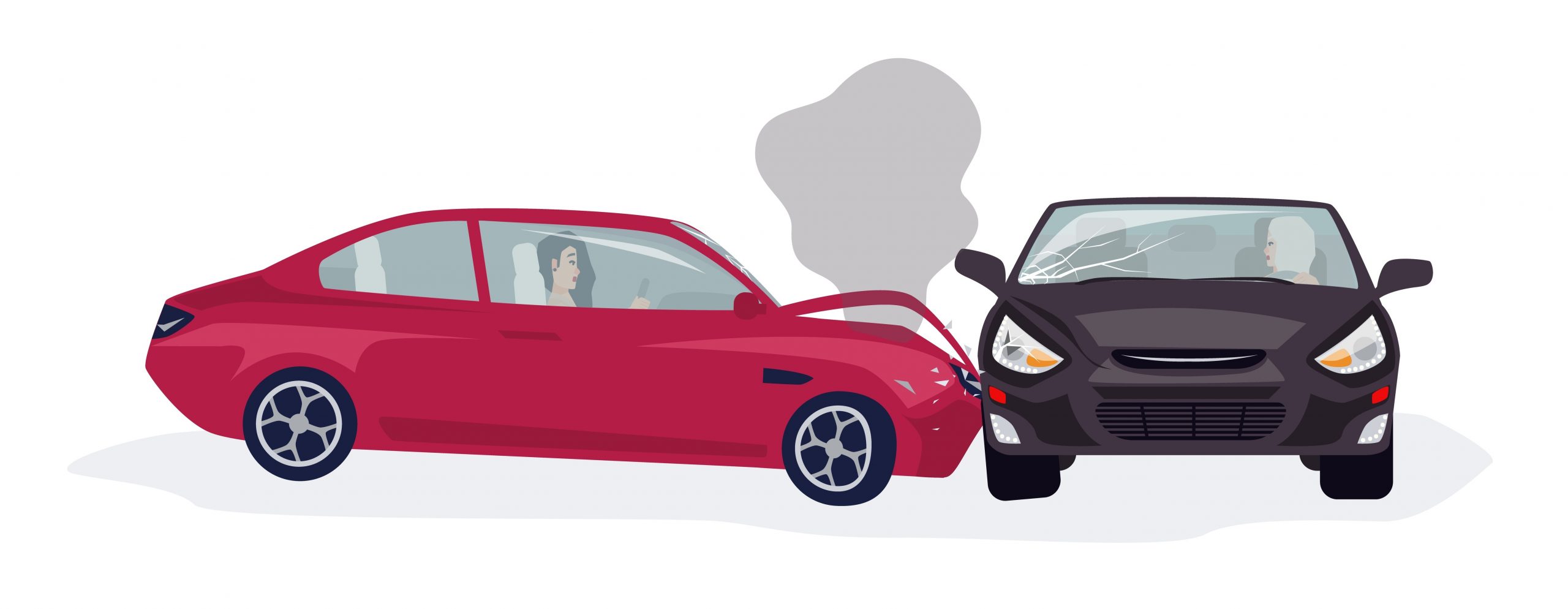
A T-bone crash often leaves people with two problems at once: serious injuries and a confusing fight over who had the right of way.
One driver may say the light was green. Another may say the other car came out of nowhere.
Meanwhile, the injured person is dealing with medical appointments, missed work, vehicle damage, and calls from insurance companies.
If you were injured in a side-impact motor vehicle collision, a T-bone accident lawyer can review what happened, look for evidence that helps clarify fault, and explain what legal options may be available based on your injuries, expenses, and recovery needs.
What Is a T-Bone Accident?
A T-bone accident happens when the front of one vehicle strikes the side of another. These crashes are also called side-impact collisions because the force hits the driver or passenger side of the vehicle.
Why Side-Impact Collisions Are So Dangerous
Side-impact crashes are dangerous because the person on the struck side may be close to the point of impact. Even with side airbags and modern safety features, the force can affect the head, neck, chest, back, hips, and internal organs.
Where T-Bone Accidents Commonly Happen
T-bone crashes often happen at intersections, stop signs, parking lot exits, driveways, and left-turn lanes. They may involve a driver running a red light, rolling through a stop sign, misjudging cross traffic, or turning across another vehicle’s path.
Common Causes of T-Bone Accidents
In many T-bone crashes, both drivers do not tell the same story. The claim may depend on traffic-light timing, stop-sign compliance, turning movements, speed, visibility, and whether either driver was distracted before entering the intersection.
Running Red Lights and Stop Signs
A red-light or stop-sign violation can put one vehicle directly in the path of cross traffic. In these cases, the details matter: where each vehicle stopped, whether a driver rolled through the intersection, whether traffic cameras were nearby, and whether witnesses saw the signal change.
Distracted Driving at Intersections
A distracted driver may miss a traffic signal, fail to see a vehicle already in the intersection, or react too late to avoid a side-impact crash.
Failure to Yield Accidents
Failure-to-yield crashes often happen when a driver turns left across traffic, pulls out from a side street, exits a parking lot, or assumes another vehicle will slow down.
These cases can become disputed quickly because the damage pattern may show the angle of impact, but not always the full story of who should have yielded.
These accidents are common among drivers of cars, motorcycles, and trucks alike.
Common T-Bone Accident Injuries
Side-impact injuries are not always easy to judge at the scene. A person may feel shaken but mobile immediately after the crash, then develop worsening symptoms like pain, headaches, dizziness, stiffness, numbness, or abdominal discomfort later. That is one reason medical documentation matters.
Head, Neck, and Brain Injuries
Head and neck injuries may include concussions, traumatic brain injuries, whiplash, disc injuries, headaches, dizziness, memory problems, or reduced range of motion.
Broken Bones and Internal Injuries
The force of a side-impact crash can fracture ribs, arms, legs, hips, or facial bones. Internal injuries can be especially dangerous because symptoms are not always obvious right away. Emergency care, imaging, surgery, hospitalization, and follow-up treatment may all become part of the claim record.
Spinal Cord and Back Injuries
Spinal injuries may lead to chronic pain, reduced mobility, or permanent disability. Back injuries may also affect sleep, work, driving, lifting, and daily routines long after the crash.
Who Is at Fault in a T-Bone Accident?
Fault in a T-bone accident is not always obvious just because one vehicle struck the side of another. The driver with front-end damage is not automatically responsible, and the driver hit on the side is not automatically blameless. The answer usually depends on right of way, signal timing, speed, lane position, visibility, and what the drivers did in the seconds before impact.
How Fault Is Determined in T-Bone Accidents
Fault is often determined by looking at whether a driver ran a red light, ignored a stop sign, failed to yield, turned across traffic, made an unsafe maneuver, or violated another traffic law. A T-bone accident lawyer can review records, evidence, and eyewitness accounts to help assess fault.
Evidence That Can Help Prove Liability
Evidence in a T-bone crash often comes from small details. Photos of the intersection, traffic signals, vehicle resting positions, skid marks, debris, and damage patterns can help reconstruct what happened. Witness statements, police reports, traffic-camera footage, dashcam video, medical records, and accident reconstruction analysis may also help resolve disputed accounts.
Why Intersection Evidence Matters
In many T-bone crashes, each driver may give a different account of who had the right-of-way. Intersection evidence can help clarify what happened.
How a T-Bone Accident Lawyer Can Help
After a side-impact crash, the legal issues often begin before the injuries are fully understood. An insurance company may ask for a recorded statement, question who entered the intersection first, or suggest the injuries are not as serious as the medical records later show. Legal help can keep the focus on evidence instead of assumptions and manage your claim’s progress while you focus on recovery.
Investigating the Crash
A lawyer may review the police report, intersection layout, traffic-control devices, photos, video, witness accounts, vehicle damage, medical records, and insurance information to understand how the crash happened.
Negotiating With Insurance Companies
Insurance disputes often focus on timing and documentation. The insurer may argue that the injured person had time to stop, that the impact happened differently, or that treatment was unrelated to the crash. A T-bone accident lawyer can respond with the available evidence and help evaluate whether an offer accounts for the full record.
Building a Strong Compensation Claim
A strong claim connects the crash to the injuries, treatment, missed work, vehicle damage, future care needs, and other documented losses.
T-Bone Accident Compensation and Settlements
A side-impact crash can create costs long after the vehicle is towed away. Emergency care, follow-up treatment, time away from work, transportation problems, pain, and future medical needs can all affect the value of a claim. What can be recovered depends on the facts, insurance coverage, documentation, and applicable state law.
What Damages Can Be Recovered?
Recoverable damages may include medical expenses, rehabilitation costs, lost income, reduced earning capacity, property damage, pain and suffering, and future care needs.
Factors That Affect Settlement Value
Settlement value may depend on injury severity, length of recovery, available insurance, degree of fault, long-term medical needs, permanent limitations, and how well the losses are documented.
Average T-Bone Car Accident Settlement Factors
There is no reliable average settlement that applies to every T-bone accident case. A minor injury claim, a serious surgery case, and a crash involving permanent disability will be valued differently.
What to Do After a Side-Impact Collision
The first few days after a side-impact crash can be confusing. You may be arranging medical care, trying to get the vehicle repaired, missing work, and hearing from insurance companies at the same time.
A few basic steps can help protect both your health and the claim record.
When to Seek Medical Attention
Get medical care as soon as possible, even if you believe the injuries are minor.
Pain, dizziness, stiffness, numbness, or abdominal symptoms may become more serious after the crash.
Follow treatment recommendations and keep medical records, bills, and follow-up instructions.
Steps to Protect Your Injury Claim
Save anything that helps show what happened and what the crash changed. That may include photos, repair estimates, medical records, insurance letters, witness names, and screenshots of messages about the collision.
Avoid giving unnecessary recorded statements or accepting an early offer before you understand the full extent of your injuries.
When a Side-Impact Claim Becomes Disputed
A side-impact claim can become more complicated when each driver gives a different account, the police report is incomplete, witnesses are hard to reach, or the insurance company argues that the injuries were not caused by the crash.
Disputes can also arise when treatment is ongoing or when an early settlement offer does not account for future care, missed work, reduced earning capacity, pain, mobility limits, or daily-life changes.
Common Questions About T-Bone Accident Lawyers & Claims
H3: How Much Is a T-Bone Accident Settlement Worth?
Settlement value depends on factors such as injury severity, liability, available insurance, medical treatment, missed work, future care needs, and the long-term impact of the crash.
Who Is Usually at Fault in a T-Bone Accident?
Fault usually depends on who had the right of way and what each driver did before impact. A driver who ran a red light, ignored a stop sign, failed to yield, or violated another traffic law may be found responsible. Your T-bone accident lawyer can review the available evidence and help assess who may be legally responsible.
What Injuries Are Common in Side-Impact Crashes?
Common injuries after a side-impact crash may include concussions, traumatic brain injuries, whiplash, neck and back injuries, broken bones, internal injuries, and spinal cord damage.
Can I Sue After a T-Bone Accident?
Possibly. If another party’s negligence caused the crash, you may be able to pursue compensation through an insurance claim or lawsuit. A T-bone accident lawyer can help you understand what options are available.
How Long Do I Have to File a Claim After a Side-Impact Collision?
Filing deadlines vary by state, case type, and the parties involved. Claims involving public vehicles, unsafe roads, or government agencies may also have special notice requirements.
Should I Hire a T-Bone Accident Lawyer After a Crash?
It may be helpful to speak with a T-bone accident lawyer if you were injured, fault is disputed, the police report does not tell the whole story, the insurance company contacts you, or the crash has caused medical bills, missed work, or lasting symptoms.
H2: Ready to Speak With a T-Bone Accident Lawyer?
After a side-impact crash, it can be hard to know which problem to handle first: medical care, vehicle damage, missed work, insurance calls, or the dispute over who was at fault. Sobo & Sobo can review your situation, explain your options, and help you decide what to do next.