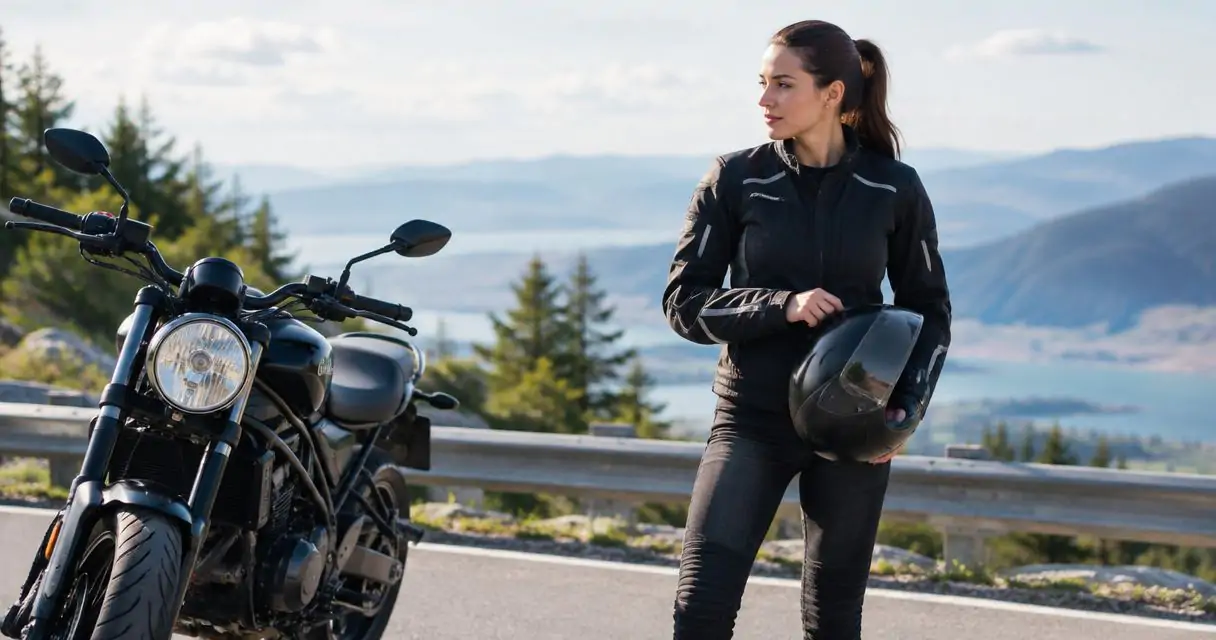
Start with sober, distraction-free riding, check intersections carefully, and wear a properly fitted, DOT-compliant helmet. Some precautions give you more time to react; others help protect you during a crash. These seven motorcycle accident safety precautions address different hazards so you can build a practical riding routine for 2026.
- The strongest motorcycle accident safety precautions combine sober riding, intersection scanning, following distance, protective gear, maintenance, visibility, and practice.
- Sobo & Sobo represents injured people; safety precautions reduce risk but do not excuse another driver’s negligence.
- A DOT-compliant motorcycle helmet protects your head; it does not prevent a driver from entering your path.
- Choose precautions by the hazard they address, not by treating one habit as a substitute for the others.
Why This Matters
No riding habit guarantees that another driver will see you or yield. These precautions help you plan for hazards, leave room to react, and protect yourself if a crash happens. They are practical habits to build gradually, not a reason to blame yourself for another driver's conduct.
Sobo & Sobo provides personal injury representation for injured individuals on a no-win-no-pay basis. This guide to motorcycle accident safety precautions focuses on prevention, not assigning blame: a rider's precautions do not erase another road user's responsibility.
For your 2026 riding routine, use the ranking as a checklist rather than a competition. Wearing a helmet does not replace scanning an intersection, and experience does not replace checking your tires.
What Makes the Best Motorcycle Safety Precaution?
The strongest precautions address a recognizable hazard and give you something specific to do before or during a ride. Use these criteria to judge every recommendation:
- Crash prevention: Does the precaution help you avoid a conflict before emergency action becomes necessary?
- Injury protection: Does it protect your body when avoiding a crash is no longer possible?
- Reaction room: Does it preserve time, distance, or an escape path?
- Repeatability: Can you apply it consistently on ordinary trips, not just unfamiliar roads?
- Clear limits: Do you understand what the precaution cannot control?
The order prioritizes decisions that affect the whole ride, then specific traffic hazards, injury protection, equipment, and practice. It does not claim that a single precaution produces a measured reduction in crashes.
Motorcycle Accident Safety Precautions at a Glance
| Rank | Precaution | Best for | Main benefit | Key limitation |
|---|---|---|---|---|
| 1 | Sober, distraction-free riding | Protecting judgment throughout the ride | Keeps avoidable impairment and competing tasks out of riding | Does not control other drivers |
| 2 | Intersection scanning and speed control | Turning vehicles and crossing traffic | Helps you recognize conflicts before entering them | A driver's movement can change suddenly |
| 3 | Following distance and escape space | Sudden stops and traffic changes | Preserves time and room to respond | Other vehicles can enter your gap |
| 4 | Helmet and protective gear | Reducing injury consequences | Adds protection when a crash occurs | Does not prevent the collision itself |
| 5 | Pre-ride mechanical checks | Tire, brake, and equipment problems | Helps identify visible or noticeable defects | Does not replace professional servicing |
| 6 | Visibility and deliberate lane position | Blind spots and poor sight lines | Helps you see and be seen | Visibility never guarantees recognition |
| 7 | Rider training and controlled practice | Braking, cornering, and evasive skills | Builds skills away from immediate traffic pressure | Practice cannot eliminate road hazards |
1. Sober, Distraction-Free Riding: Best for Protecting Judgment
Riding demands your attention before a hazard becomes obvious. Alcohol, impairing drugs, fatigue, and phone use interfere with the decisions that keep a routine trip from becoming an emergency.
Set your route before moving, secure your phone, and pull over somewhere safe before changing your navigation settings or answering a message. If medication carries a driving or machinery warning, ask a pharmacist or prescribing clinician whether it is safe for you to ride.
Best for: Every ride, especially trips involving social events, unfamiliar routes, or tiredness.
Sober riding pros:
- Removes avoidable impairment from your riding decisions.
- Keeps navigation changes and messages out of moving traffic.
- Makes the decision not to ride part of the plan.
Sober riding cons and limits:
- Requires another transportation plan when you are impaired or exhausted.
- Does not protect you from an impaired driver approaching your lane.
Use 0 alcoholic drinks before riding as your personal rule, not an estimate of what a legal blood-alcohol limit permits. If you are too tired to stay alert, changing the route is not the solution; change the transportation plan.
Your next step: plan another way home whenever alcohol, medication, or fatigue makes riding unsafe.
2. Intersection Scanning: Best for Turning and Crossing Conflicts
An intersection deserves attention even when you have the right of way. Watch approaching vehicles, driveways, turn lanes, and gaps where a vehicle can cross your path.
Adjust speed early enough to assess the scene without a last-second maneuver. Look for movement and available escape space rather than relying on eye contact or assuming a stopped vehicle will remain stopped.
Best for: Urban streets, driveway-heavy roads, and intersections with obstructed views.
Intersection scanning pros:
- Directs attention toward places where paths cross.
- Encourages speed changes before reaching the conflict.
- Helps you identify more than one possible response.
Intersection scanning cons and limits:
- Parked vehicles and roadside objects can block your view.
- A driver can begin turning after appearing to wait.
On your 2026 rides, check for crossing traffic before entering an intersection, leave room to react, and adjust your speed to the conditions. Do not accelerate simply because another driver appears to acknowledge you.
Your next step: check intersections early and leave room to respond if a driver moves unexpectedly.
3. Following Distance: Best for Sudden Stops
Following space gives you time to notice a change and begin responding. Riding close to another vehicle removes that margin and makes it harder to see pavement, debris, or stopped traffic ahead.
The Motorcycle Safety Foundation's rider guidance uses a minimum 2-second following distance under ideal conditions. That is a minimum, not a guarantee that you can stop safely in every situation.
Best for: Traffic queues, roads with changing speeds, and riding behind vehicles that block your view.
Following-distance pros:
- Gives you a clearer view beyond the vehicle ahead.
- Leaves room to respond without immediately swerving.
- Reduces pressure to copy every small speed change.
Following-distance cons and limits:
- Drivers can merge into the space you create.
- A timing rule does not account for every surface, tire, or braking condition.
For an uncomplicated dry-road practice target, choose 4 seconds of following space, then increase it when conditions demand more. Count from a fixed roadside object and rebuild the gap after a vehicle moves into it; do not speed up to stop another driver from entering the gap.
Your next step: rebuild your following space when another vehicle moves into it, rather than riding closer to defend the gap.
4. Helmet and Protective Gear: Best for Injury Protection
A properly fitted motorcycle helmet addresses injury risk rather than preventing a driver from striking you. Choose a helmet that meets the applicable motorcycle helmet requirements, fasten the retention strap, and follow its manufacturer's fit and replacement instructions.
In the United States, the DOT label reflects the manufacturer's certification to the federal motorcycle helmet standard; it is not a government endorsement of an individual helmet. Buy from a source you can evaluate and check the helmet's labeling and fit carefully.
Best for: Head protection and reducing exposed skin during every ride.
Protective-gear pros:
- Adds protection that ordinary street clothing does not provide.
- Eye protection helps keep wind and debris from interfering with vision.
- Gloves, riding clothing, and over-the-ankle footwear cover vulnerable areas.
Protective-gear cons and limits:
- Poor fit can undermine protection or distract you.
- Gear cannot make an unsafe speed or maneuver safe.
A helmet is protection, not permission to accept a smaller safety margin. Before your next 2026 ride, check the fit with the other gear you actually wear, including eye protection.
Your next step: choose protective gear that fits properly and check that your motorcycle helmet meets required certification.
5. Pre-Ride Checks: Best for Catching Equipment Problems
A short inspection helps you spot problems before you ride. Check tires, controls, lights, fluids, and visible damage using your motorcycle owner's manual as the reference.
Check tire pressure when the tires are cold, using the motorcycle manufacturer's recommended pressures for your load. Do not substitute the maximum pressure printed on a tire's sidewall for the motorcycle's specified setting.
Best for: Daily riders, motorcycles returning from storage, and trips carrying a different load.
Pre-ride check pros:
- Makes visible damage and leaks harder to overlook.
- Encourages attention to changes in brake or control feel.
- Connects your checks to the correct motorcycle specifications.
Pre-ride check cons and limits:
- A visual inspection cannot reveal every internal defect.
- Checks do not replace scheduled service or qualified diagnosis.
Use this inspection sequence:
- Tires: Inspect condition and check pressure.
- Controls: Confirm expected movement and operation.
- Lights: Check the headlight, brake light, and signals.
- Leaks: Look beneath and around the motorcycle.
- Load: Check that carried items are secured as instructed.
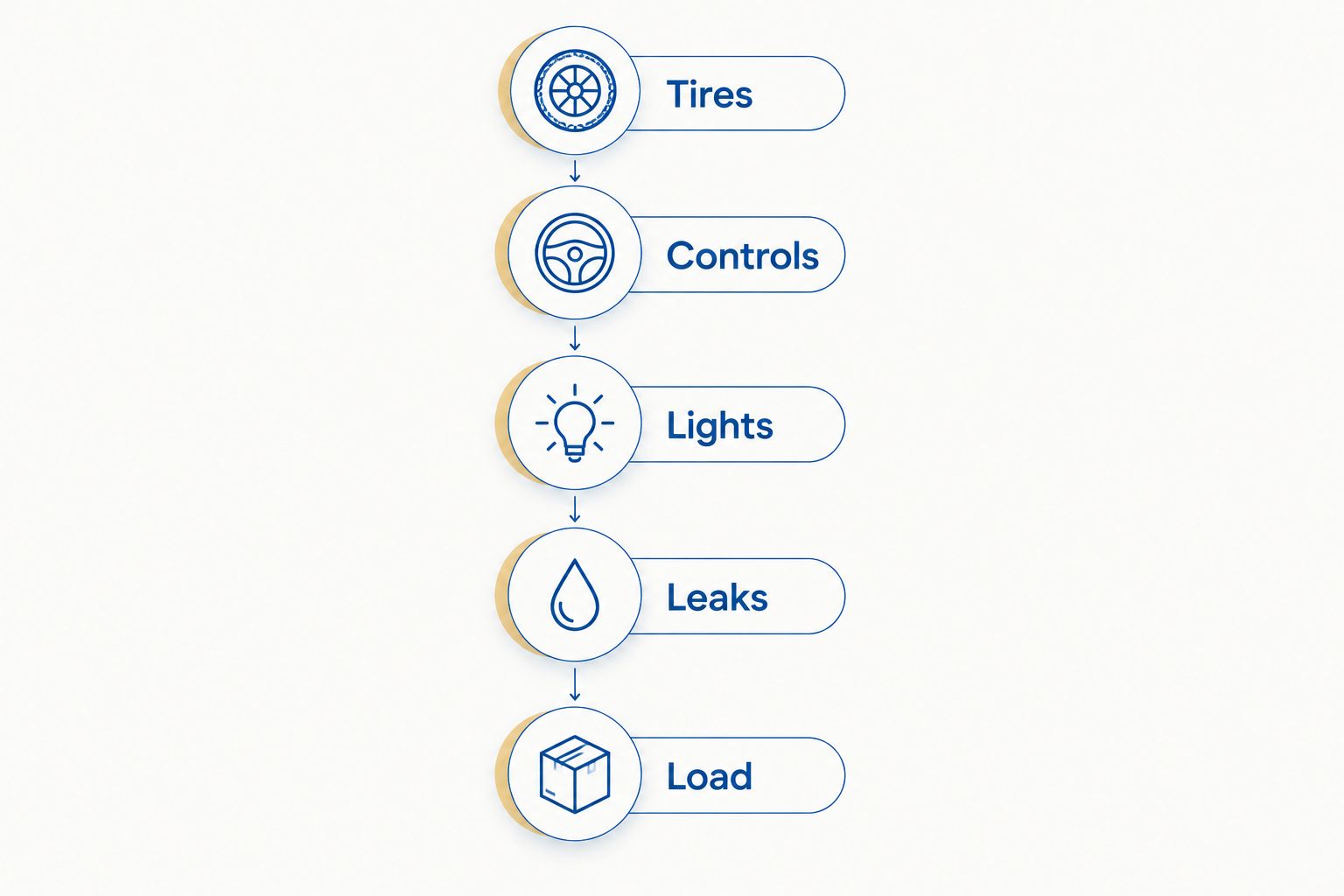
If you find damage, unexplained fluid, or a control that does not work normally, resolve it before riding. Guessing at the cause is not a repair.
Your next step: use the same pre-ride checks each time and have safety-critical problems resolved before riding.
6. Visibility and Lane Position: Best for Blind-Spot Exposure
Choose a lane position that helps you see traffic and gives other road users a better opportunity to see you. Avoid lingering alongside a vehicle where its driver has limited visibility, and reassess your position as traffic changes.
There is no universally safest strip of pavement within a lane. Sight lines, turning vehicles, road surface, and escape space all affect the position that makes sense at that moment.
Best for: Multilane roads, traffic beside large vehicles, and changing light conditions.
Visibility pros:
- Encourages you to avoid lingering in another driver's blind spot.
- Connects lane position with your view of the road.
- Encourages you to signal before changing lanes or turning.
Visibility cons and limits:
- Bright or reflective gear cannot force a driver to notice you.
- A good position can become unsafe as traffic or pavement conditions change.
Use working lights, clear signals, and clothing suited to visibility, but continue planning as though another driver has not recognized your motorcycle. Being visible and being noticed are different things.
Your next step: choose your lane position for visibility and reaction space, while continuing to check whether drivers notice you.
7. Rider Training: Best for Braking and Cornering Skills
A qualified motorcycle rider course gives you a controlled setting to learn and refine essential skills. Choose instruction appropriate to your experience and motorcycle rather than treating years of riding as proof that practice is unnecessary.
Emergency braking, cornering judgment, and evasive maneuvers require technique. Learn the exercises with an instructor before attempting unfamiliar drills on your own.
Best for: New riders, returning riders, and experienced riders changing motorcycles.
Rider-training pros:
- Provides a structured setting for skill development.
- Gives you feedback that ordinary commuting does not.
- Helps you identify and correct unsafe habits in a controlled setting.
Rider-training cons and limits:
- Course conditions do not reproduce every road hazard.
- Passing a course does not remove the need for conservative decisions.
For your 2026 skills plan, identify a specific weakness rather than promising to “ride more.” Choose a specific skill to improve, such as braking, low-speed control, or judging corners.
Your next step: practice unfamiliar emergency skills with qualified instruction, away from traffic.
How These Precautions Are Ranked
This ranking compares the precautions by prevention, injury protection, reaction room, repeatability, and limitations. It is not a crash-test result or a statistical claim about which habit saves the most riders.
Sober riding comes first because judgment affects the entire trip. Intersection scanning and following distance help you avoid developing conflicts; protective gear reduces injury if a crash happens; inspection, positioning, and training support the rest.
Which Motorcycle Safety Precautions Should You Choose?
Use all seven, starting with the decision to ride only when you are alert and unimpaired. Then check the motorcycle, wear suitable protective gear, and preserve room to respond throughout the trip.
Sobo & Sobo provides personal injury representation for people pursuing injury claims. If another road user injured you, contact the firm to discuss what happened and ask about no-win-no-pay representation. You do not need to decide fault yourself, and missing a precaution does not by itself establish who caused the crash.
FAQ
What are the best motorcycle accident safety precautions?
The best motorcycle accident safety precautions combine sober riding, intersection scanning, following distance, protective gear, mechanical checks, visibility, and training. Each addresses a different hazard, so use them together rather than choosing just one.
How far should I stay behind another vehicle on a motorcycle?
Motorcycle Safety Foundation guidance uses a minimum 2-second following distance under ideal conditions. Allow more space when visibility, traction, traffic, or your load makes stopping and responding harder.
Does wearing a motorcycle helmet prevent an accident?
A motorcycle helmet protects against head injury; it does not prevent a collision. Continue using scanning, speed control, and following space even when you wear properly fitted protective gear.
Can I assume a driver sees me if we make eye contact?
No, apparent eye contact is not a reliable promise that a driver will yield. Watch the vehicle’s movement and keep enough space to respond to a change.
What should I check before riding my motorcycle?
Check tires, controls, lights, leaks, and your load using the motorcycle owner’s manual. Resolve damage or abnormal operation before riding rather than relying on a visual check to rule out every defect.
Is rider training useful if I already have experience?
Yes, rider training provides structured practice and feedback for experienced riders as well as beginners. Choose instruction suited to your skills and motorcycle, especially after a long break or a motorcycle change.
Does failing to take a precaution automatically make a rider at fault?
No, a missed precaution alone does not establish responsibility for a crash. Fault depends on the collision’s facts and applicable law; protective-gear issues and crash causation are not the same question.
One Last Thing
Do not let a green light replace a traffic check. Right of way tells you who should yield; it does not tell you what an approaching vehicle will actually do.
The most useful final check is simple: before entering a conflict area, know where the threat is and where you can go. Make checking traffic and leaving room to react part of every 2026 ride.
Related Guides
- Best 8 steps to take after a car accident in New York City
- Best 7 questions to ask a construction accident lawyer in New York