50+ Years
Of experience winning motorcycle accident cases.
A motorcycle crash can change a rider’s life in seconds. Medical treatment, missed work, a damaged bike, insurance calls, and uncertainty about fault can all arrive before the rider has had time to understand the full extent of the injuries.
If you were injured in a motorcycle crash, Sobo & Sobo can help review what happened, identify who may be responsible, and explain what compensation may be available based on your injuries, expenses, and recovery needs.
Of experience winning motorcycle accident cases.

$0 fee unless we win your case.

For our clients.

Via phone, chat or online.

No risk, no fee, no obligation.
Results may vary depending on your particular facts and legal circumstances.
At Sobo & Sobo, we handle everything for you to make the process as easy and stress-free as possible.

For all injury-related healthcare costs.

From time out of work due to injuries.

To fix or replace your bike.
Cash advances pre-settlement are available if needed.

Win the largest settlement possible for your case.
Motorcycle personal injury accident claims can be complex, especially when serious injuries, disputed fault, insurance pressure, or unfair assumptions about riders are involved.
A motorcycle accident lawyer may look at where the impact happened, whether the driver saw the rider, whether a turn or lane change caused the crash, what the police report says, whether video footage exists, and whether the rider’s injuries match the way the collision occurred.
That work matters because insurance companies may try to shift blame, minimize injuries, or argue that the rider was partly responsible.
Insurance companies may contact injured riders before the full medical picture is clear. They may ask for a recorded statement, question whether treatment is necessary, or suggest the rider was speeding, hard to see, or partly at fault.
A lawyer can handle those conversations and help the rider avoid decisions that could weaken the claim.
Motorcycle cases are different because riders have little physical protection, and may suffer more severe injuries than occupants of passenger vehicles. A driver may say the motorcycle came “out of nowhere,” while the evidence may show an unsafe lane change, failure to yield, or distracted driving.
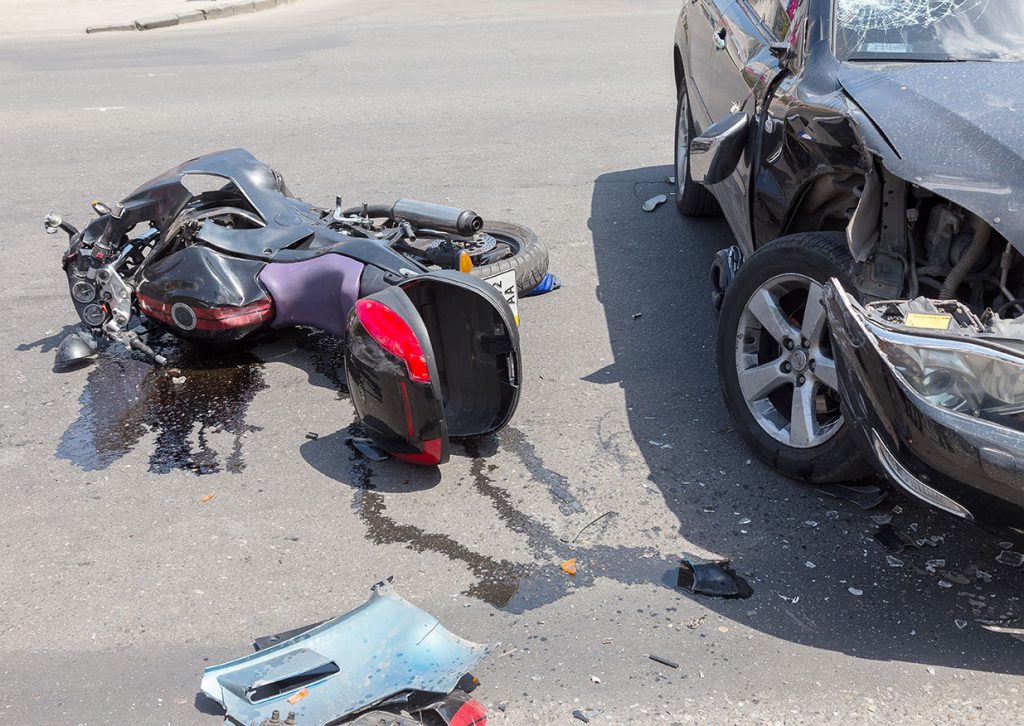
Many motorcycle crashes happen because automobile drivers fail to see riders, misjudge their speed, turn across their path, or change lanes without checking blind spots.
A distracted driver may look away for only a moment and still miss a motorcycle in the next lane, at an intersection, or slowing ahead in traffic.
Many motorcycle crashes occur when drivers of cars and trucks turn across a rider’s path, misjudge the motorcycle’s speed, or fail to yield before entering an intersection.
Speeding reduces reaction time and increases the severity of collisions involving motorcycles. Reckless driving can also include tailgating, aggressive passing, unsafe merging, or failing to leave riders enough room.
Unsafe lane changes can leave riders with no safe place to go. These crashes may happen when drivers merge without checking mirrors, drift into another lane, or fail to account for motorcycles in blind spots.
The steps after a motor vehicle accident can affect both medical recovery and the strength of a future claim.
Get medical care as soon as possible, even if you think the injuries are minor. Pain from head trauma, back injuries, fractures, soft tissue damage, or road rash may become more serious after the adrenaline wears off. Follow treatment instructions and keep copies of medical records and bills.
If you are able, take photos of the vehicles, motorcycle, road conditions, skid marks, traffic signals, visible injuries, and surrounding area.
Get witness contact information, preserve damaged gear, and request a copy of the police report when it becomes available.
Keep the motorcycle, helmet, jacket, gloves, boots, and damaged equipment if possible. These items may help show the force, angle, or circumstances of the crash.
Report the crash to law enforcement and make sure the basic facts are documented. If you later notice errors in the report, tell your lawyer so they can determine whether additional evidence is needed.
Be careful before giving a recorded statement or accepting an early settlement offer. An offer made early may not account for follow-up treatment, missed work, future care, damaged gear, or injuries that worsen over time.

Negligence is usually proven by showing that another person failed to use reasonable care and that failure caused the crash.
Negligence may involve:
• Distracted driving
• Failure to yield
• Speeding
• Unsafe lane changes
• Other traffic violations
Fault rules vary by state. In some cases, an injured rider may still recover compensation even if they are found partly responsible, but their share of fault may affect the amount they can recover.
Evidence commonly used to establish fault includes:
• Police reports
• Witness statements
• Photographs
• Video footage
• Crash reconstruction
• Vehicle damage
• Helmet or gear damage
• Medical records
• Expert analysis
Medical expenses may include emergency treatment, hospital bills, surgery, rehabilitation, medication, specialist care, physical therapy, and future medical needs.
If injuries keep a rider from working, a claim may include missed wages, reduced earning capacity, and future income losses. This can matter when injuries limit driving, standing, lifting, travel, or other work duties.
Pain and suffering damages may reflect physical pain, loss of mobility, disrupted routines, reduced independence, anxiety, sleep problems, and loss of enjoyment of life.
There is no reliable average settlement that applies to every rider. The value of a claim depends on injury severity, available insurance, evidence of fault, medical treatment, future care needs, and how the crash affects the rider’s life.
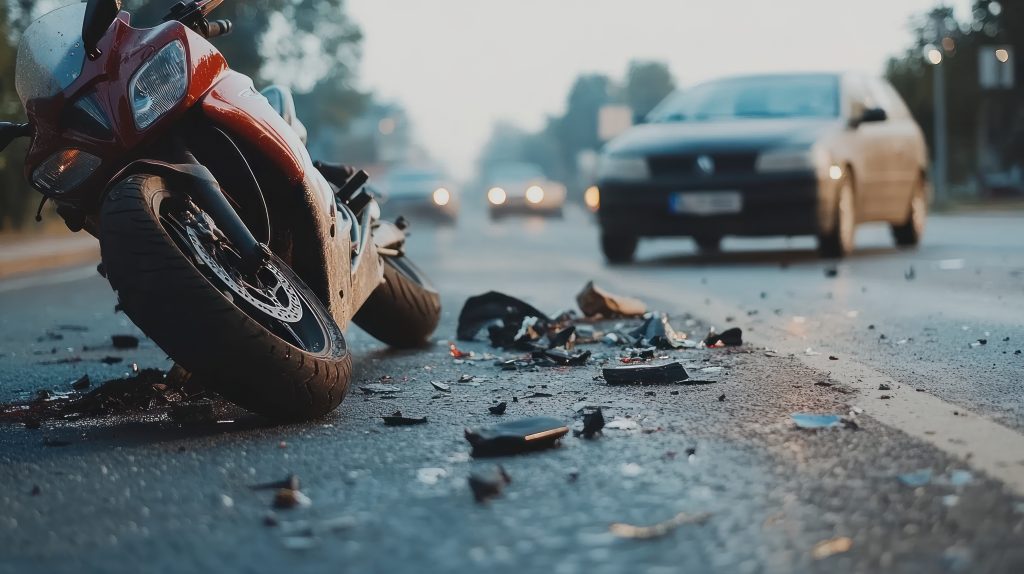
A lawsuit may be necessary if the insurance company denies responsibility, disputes the injuries, blames the rider, or refuses to make a reasonable settlement offer.
Filing deadlines vary by state, case type, and the parties involved. Claims involving government vehicles, unsafe roads, or public agencies may also involve special notice requirements or shorter deadlines.
A motorcycle accident lawsuit may involve investigation, filing legal documents, exchanging evidence, taking depositions, negotiating settlement, preparing witnesses, and getting the case ready for trial.
Many claims settle before trial. If the case cannot be resolved through negotiation, the lawyer may prepare evidence, witnesses, medical records, expert input, and legal arguments for court.
Sobo & Sobo can review police reports, photos, medical records, witness information, damaged gear, vehicle damage, insurance records, and other evidence that may help explain how the crash happened.
Insurance companies may dispute fault, question treatment, or make an early offer before the full impact of the injury is clear. Sobo & Sobo can handle those communications and help evaluate whether an offer accounts for the rider’s documented losses.
When a case cannot be resolved through settlement, Sobo & Sobo can prepare evidence, witnesses, records, and legal arguments for court.
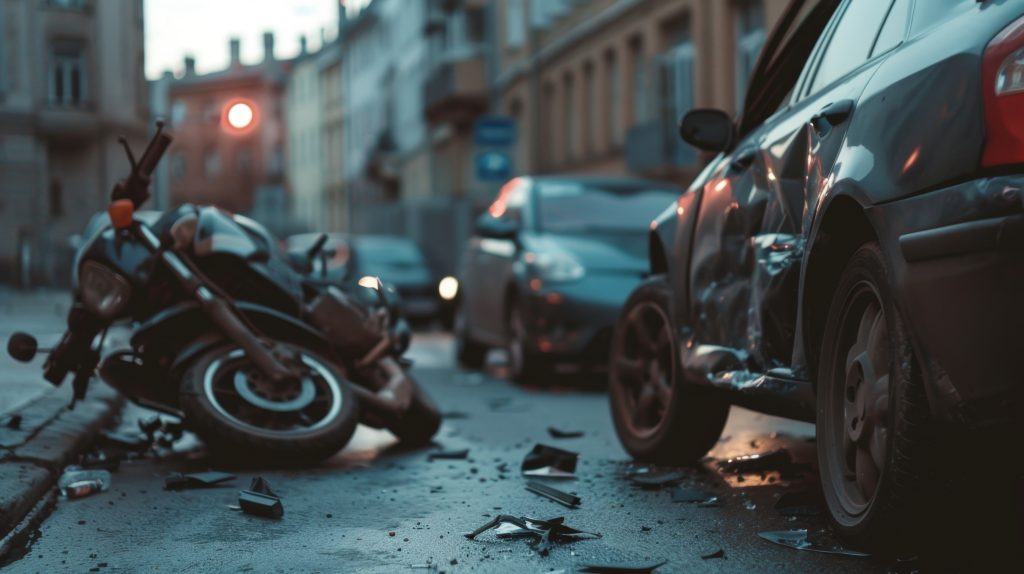
Many motorcycle accident lawyers work on a contingency fee basis. That means attorney fees are collected only if compensation is recovered, according to the terms of the fee agreement.
There is no reliable average settlement for every motorcycle accident case. The value of a claim depends on the severity of the injuries, available insurance, evidence of fault, medical costs, lost income, and long-term effects of the crash.
Possibly. Fault rules vary by state. In some cases, an injured rider may still recover compensation if they are partly responsible, but their share of fault may affect the amount they can recover.
The timeline depends on the severity of the injuries, how long medical treatment lasts, whether liability is disputed, and whether the case settles or goes to trial.
An early offer may not account for follow-up treatment, missed work, future care, damaged gear, or injuries that worsen over time. Consider speaking with a lawyer before accepting or signing anything.
New York Offices
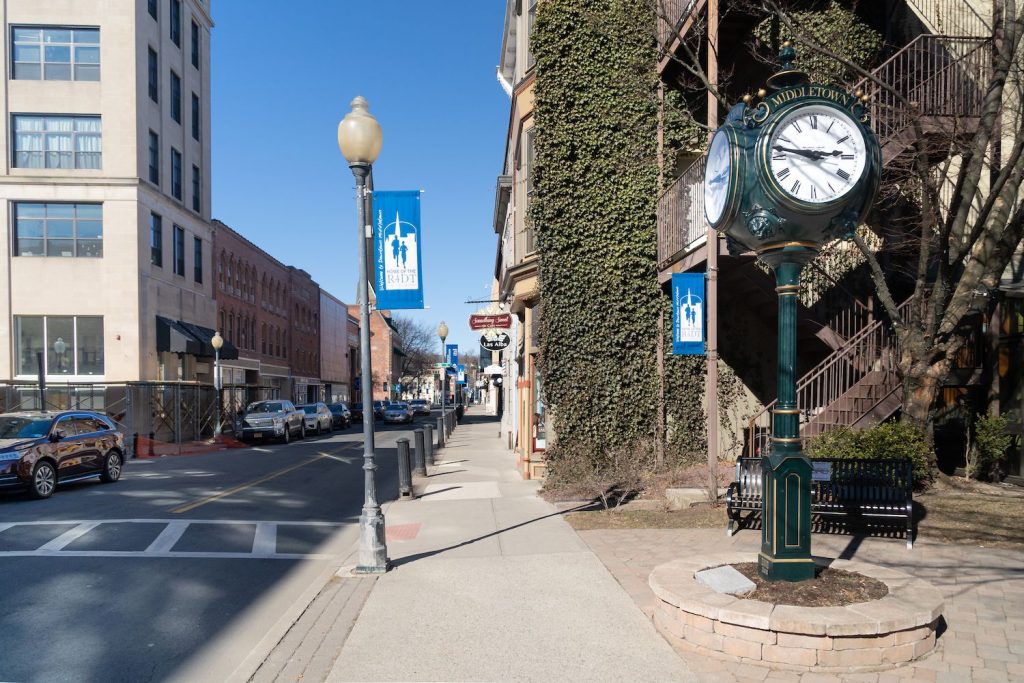
1 Dolson Avenue, Middletown, NY 10940
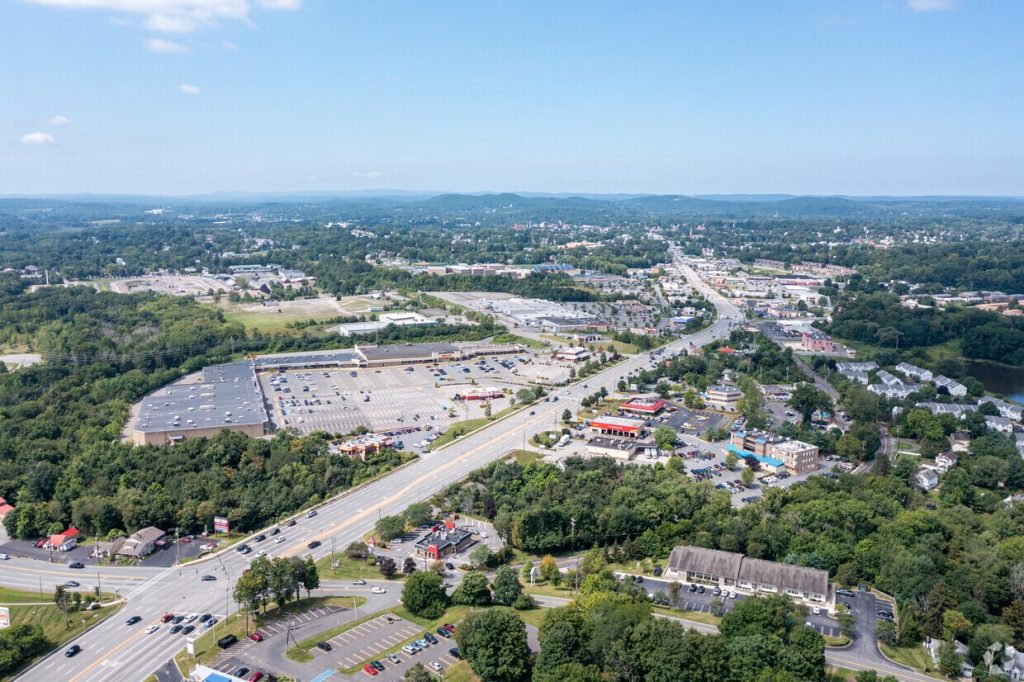
141 Dunning Road, Middletown, NY 10940
744 Broadway, Newburgh, NY 12550
92 Main Street, Chester, NY 10918
553 West Broadway, Monticello, NY 12701
219 Church Street, Poughkeepsie, NY 12601
627 NY-304, New City, NY 10956
5008 Broadway, New York, NY 10034
369 Lexington Avenue, Suite 318, New York, NY 10016
910 East Gun Hill Road, Bronx, NY 10469
New Jersey Offices

600 Mount Prospect Avenue, Newark, NJ 07104

831 Cass Street, Trenton, NJ 08611

606 South White Horse Pike, Audubon, NJ 08106
Illinois Offices
5764 South Archer Avenue, Chicago, IL 60638