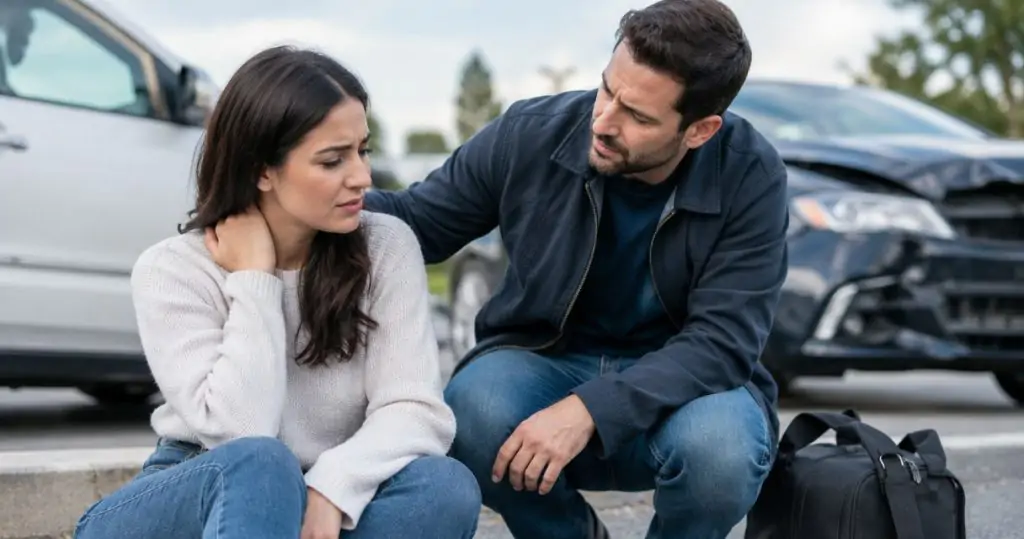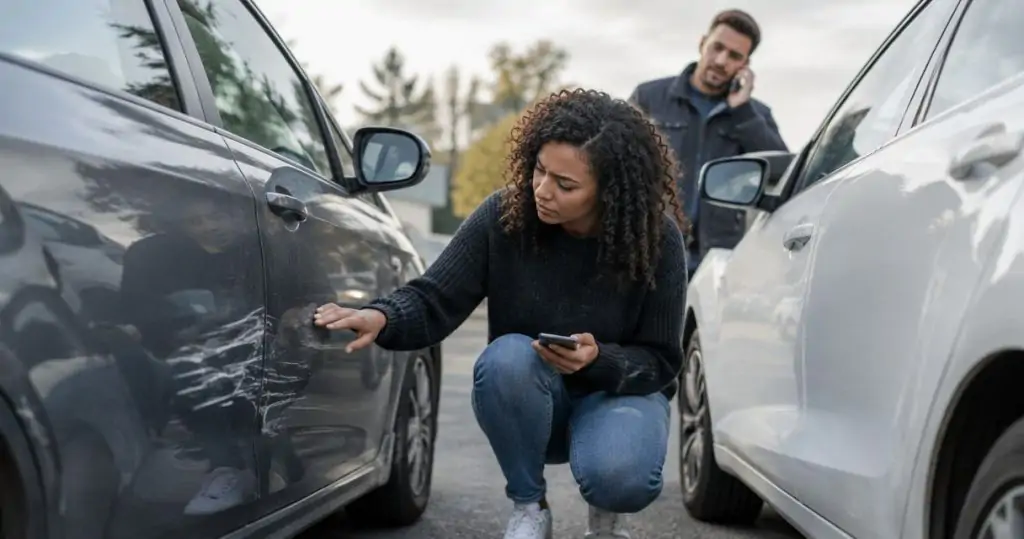
The best steps to take after a T-bone accident are to get emergency help, receive medical care, preserve evidence, notify insurers, and get legal advice before signing a release. This 2026 guide explains how to put your safety first, protect information relevant to your injury claim, and avoid common mistakes.
- The first steps to take after a T-bone accident are emergency help and medical evaluation.
- Photograph vehicle positions and traffic controls only when you can do so safely.
- Report the collision accurately; avoid guessing about speed, injuries, or fault.
- Sobo & Sobo represents injured people pursuing personal injury claims on a no-win-no-pay basis.
Why This Matters
A T-bone accident happens when the front of one vehicle strikes the side of another. The damage shows where contact occurred, but it does not, by itself, establish which driver had the right of way. Traffic signals, witness accounts, vehicle movements, and other evidence matter.
You do not need to work out who is legally responsible while you are still at the intersection. Focus on getting help and saving what you safely can. Sobo & Sobo represents injured individuals pursuing personal injury claims once urgent medical and safety needs are addressed.
After a collision in 2026, medical appointments, insurance requests, and evidence collection may overlap. Do not wait for an insurance company to decide fault before seeking care.
What Makes the Best Post-Accident Response
These priorities explain the order of the five steps below. They are not competing options: use each one when your condition and the scene allow.
- Immediate safety: Prevent further harm before collecting information.
- Medical attention: Let healthcare professionals assess symptoms rather than diagnosing yourself.
- Evidence preservation: Save facts that help explain the collision and its consequences.
- Accurate communication: Separate what you observed from what you assume.
- Informed decisions: Understand documents and deadlines before making commitments.
An injured person does not need to complete a roadside checklist before leaving for emergency treatment. A passenger, trusted person, or legal representative can help with follow-up tasks.
The Five Steps at a Glance
| Priority | Step | Best for | Main benefit | Key limitation |
|---|---|---|---|---|
| 1 | Get emergency help | Immediate danger and injuries | Brings emergency responders to the scene | Does not replace later medical assessment |
| 2 | Receive medical care | Symptoms and injury assessment | Connects your symptoms with clinical evaluation | Treatment records do not decide fault |
| 3 | Preserve evidence | Disputed collision accounts | Retains details beyond your memory | Evidence gathering must never create danger |
| 4 | Notify insurers | Starting required claim communication | Creates a record of your report | Reporting a claim is not the same as accepting a settlement |
| 5 | Get legal advice | Injuries, disputes, and release documents | Helps you understand your rights and obligations | Legal representation does not guarantee an outcome |
1. Get Emergency Help: Best for Immediate Danger
Call 911 for injuries, immediate danger, or an emergency at the scene. Give the dispatcher your location, describe the collision, and explain any visible hazards. Follow instructions rather than trying to manage traffic yourself.
After a side-impact crash, look for approaching vehicles, smoke, leaking fluid, or an unsafe vehicle position. Do not enter moving traffic to retrieve a phone, inspect damage, or confront the other driver. Whether to remain inside or move away depends on the danger around you and emergency instructions.
If someone appears seriously injured, do not move that person unless immediate danger requires it. Tell the dispatcher what you see and follow their guidance.
Emergency-help benefits:
- Puts injuries and scene hazards ahead of paperwork.
- Gives responders information needed to locate the collision.
- Allows trained personnel to assess urgent risks.
Emergency-help limits:
- You might be unable to gather evidence while receiving assistance.
- An initial scene assessment does not resolve every medical or legal question.
Best for: Anyone facing injury, an unsafe intersection, or another immediate threat.
Your next step: get help first. Let responders guide you; no photograph or insurance detail is more important than your safety.
2. Receive Medical Care: Best for Assessing Injuries
Get medical attention based on your symptoms and emergency instructions. Tell the clinician that you were in a side-impact collision, where you were sitting, whether you struck anything inside the vehicle, and what you feel. Describe symptoms accurately without minimizing or exaggerating them.
Some symptoms become noticeable after the initial shock of a collision. Seek prompt evaluation for new or worsening symptoms, and use emergency services for urgent concerns such as difficulty breathing, loss of consciousness, or severe bleeding. Do not use this guide to decide that an injury is minor.
Keep discharge instructions, referral information, and visit summaries. Follow the treatment plan, and tell the provider when a symptom changes or an appointment becomes difficult to attend.
Medical-care benefits:
- Gives you a medical assessment based on your symptoms and examination.
- Creates records of reported symptoms, findings, and treatment.
- Provides instructions for follow-up and warning signs.
Medical-care limits:
- A medical record does not establish who caused the crash.
- Your first visit might not answer every question about recovery.
Best for: Anyone with pain, concerning symptoms, or uncertainty about an injury.
Your next step: make medical care the priority. You can ask someone you trust to help organize paperwork while you receive treatment.
3. Preserve Evidence: Best for a Disputed Account
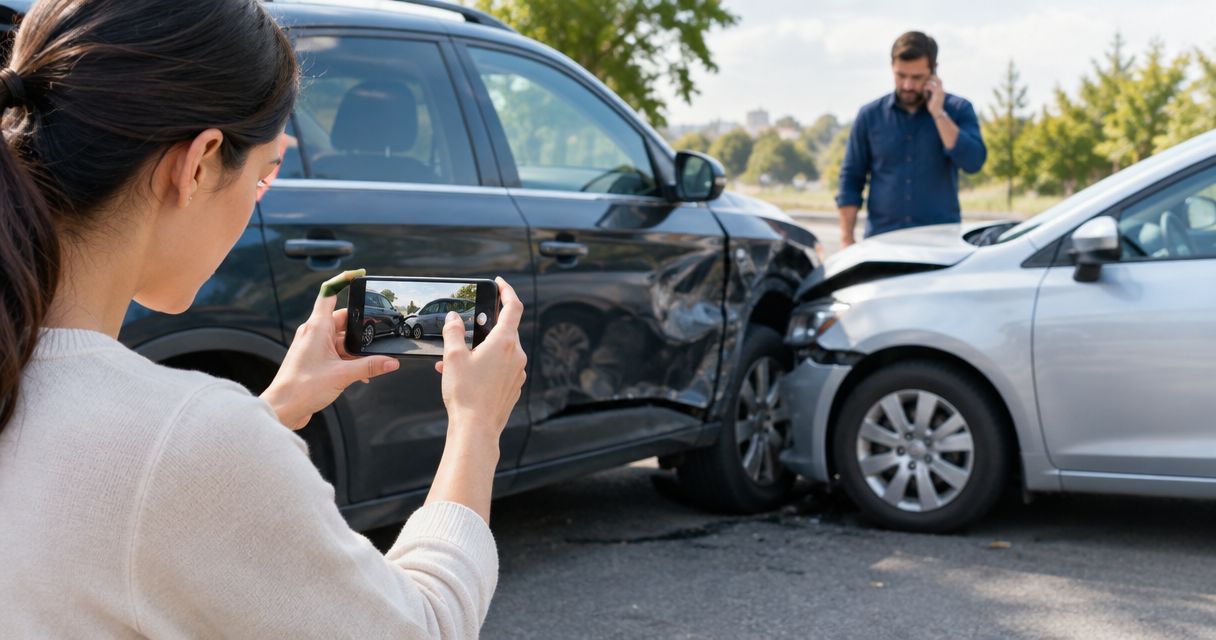
If you are safe and physically able, photograph the scene before vehicles move. Capture the intersection, lane markings, traffic controls, vehicle positions, debris, and visible damage. Photographing damage alone leaves out the setting in which the collision happened.
When it is safe, take photographs from all four corners of your vehicle. Add closer images of impact areas and relevant interior damage. Never step into traffic or interfere with responders to obtain a better angle.
Ask witnesses for their names and contact details without coaching their accounts. Exchange the information required at the scene, and obtain the responding agency’s name and any incident reference provided. Write down your own recollection while it is fresh, distinguishing observations from uncertainty.
Evidence-preservation benefits:
- Records details before vehicles are moved or repaired.
- Helps identify independent witnesses.
- Preserves context for later insurance and legal review.
Evidence-preservation limits:
- A photograph captures a moment, not the entire collision sequence.
- You cannot assume a nearby camera recorded or retained useful footage.
Best for: Conflicting accounts, unclear signals, and questions about vehicle movements.
Your next step: preserve the facts you can safely gather. Ask your lawyer for help requesting recordings or records held by someone else.
4. Notify Insurers: Best for Accurate Claim Reporting
Notify your insurer promptly and follow the reporting requirements in your policy. Provide the collision date, location, vehicles involved, and facts you know. Ask for the claim number, the representative’s contact details, and an explanation of documents or forms requested.
Your insurer and the other driver’s insurer have different roles. A recorded statement means an insurer records your answers about the collision. Before agreeing, ask who is requesting it and whether your policy requires your cooperation; a lawyer can help clarify any uncertainty.
Do not guess about speed, signal timing, or the full extent of an injury. Saying that you do not know an answer is more accurate than filling a gap with an estimate. Keep correspondence and dated notes of conversations about your claim.
Insurance-reporting benefits:
- Starts the relevant claim communication.
- Identifies where to send the records your insurer requests.
- Helps you track outstanding questions and requirements.
Insurance-reporting limits:
- An adjuster’s questions are not a substitute for legal advice.
- Opening a claim does not establish coverage, fault, or claim value.
Best for: Meeting reporting obligations and keeping communication organized.
Your next step: report what you know and ask questions before signing. For your 2026 claim, keep copies and request a plain-language explanation of any unfamiliar form.
5. Get Legal Advice: Best for Injuries and Disputed Responsibility
Seek legal advice when injuries, disputed fault, multiple vehicles, or settlement documents raise questions you cannot resolve. Bring the facts and paperwork you have. You do not need a completed investigation to ask what your next obligation is.
Sobo & Sobo is a personal injury law firm for injured people pursuing claims. The firm represents individuals across New York, New Jersey, Connecticut, Pennsylvania, Illinois, Wisconsin, Rhode Island and Ohio on a no-win-no-pay basis. Ask how the representation agreement addresses fees and case expenses before signing.
For a 2026 collision, ask counsel to identify the deadlines and insurance rules that apply to the particular location and claim. The applicable requirements depend on where the accident happened and the details of your claim, not just the type of collision.
Legal-advice benefits:
- Helps distinguish insurance requirements from optional requests.
- Helps you understand settlement releases and disagreements about legal responsibility.
- Helps identify evidence and deadlines that need attention.
Legal-advice limits:
- Representation does not guarantee compensation or a particular result.
- Advice depends on the facts, records, and applicable law.
Best for: Injured people who face disagreements about the crash, settlement paperwork, or uncertainty about their responsibilities.
Your next step: ask a lawyer to review a release before signing. Signing it can give up your right to pursue the claims it covers. Ask your lawyer to explain those consequences first.
Build a Claim File Without Letting It Take Over
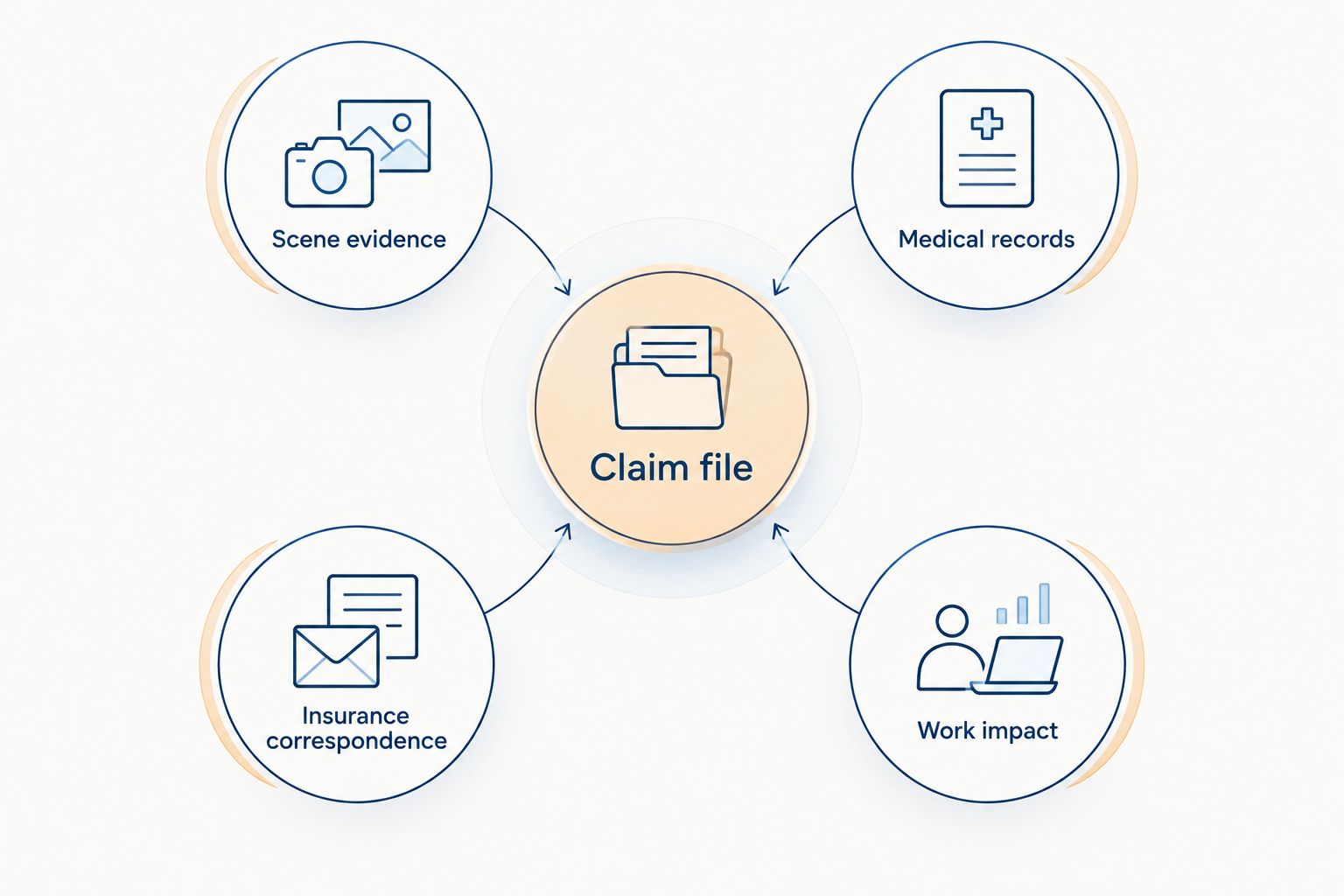
Use one folder for collision documents and one place for dated notes. Keep 2 copies of important digital files in separate locations as a practical backup. Preserve original photographs and recordings rather than saving only edited versions.
Organize the file around these categories:
- Scene evidence: Photographs, witness details, and the incident reference.
- Medical records: Visit summaries, instructions, and treatment correspondence.
- Insurance correspondence: Claim details, letters, forms, and conversation notes.
- Work impact: Missed-work records and documents describing restrictions.
These categories serve different purposes. A photograph documents vehicle damage; a treatment record documents medical findings. Neither should be treated as a substitute for the other.
Keep notes factual. Record what happened, when a symptom occurred, or which task you could not perform; do not rewrite events to strengthen your position. Avoid posting crash details or arguments about fault on social media.
Do Not Confuse Reporting Deadlines with Filing Deadlines
An insurance notice requirement and a deadline to file a lawsuit are different obligations. Meeting one does not automatically satisfy the other. Government vehicles, work-related crashes, and claims involving children can raise additional legal questions.
Do not use a general deadline as permission to wait. Ask which notices, applications, and legal deadlines apply to your collision. Preserve relevant envelopes and emails so the date a document arrived is not lost.
If you are organizing a claim in 2026, put confirmed deadlines in a calendar alongside treatment appointments. Ask for clarification when a form uses unfamiliar terms or does not explain what happens after submission.
How These Steps Are Ranked
The sequence puts immediate safety before tasks that can wait. Get needed medical care before handling claim paperwork, and collect evidence only when it is safe. Insurance reporting and legal advice then address obligations and decisions that require attention.
This is a priority order, not a rigid schedule. A family member can preserve documents while you receive care, and you may need legal advice before giving an insurance statement or signing a release.
Which Step Should You Take Right Now?
If anyone is hurt or the scene is unsafe, start with emergency help. If you have left the scene, address medical needs, save existing evidence, and check your reporting obligations.
For personal injury representation, Sobo & Sobo serves injured individuals pursuing claims in the states listed above. Contact the firm to discuss your collision, the records you have, and any questions about the process. You do not need to know the legal answers before reaching out.
Discuss Your Injury Claim
Have questions after a T-bone accident? Contact Sobo & Sobo to discuss your injury claim and ask about no-win-no-pay representation.
FAQ
What should I do first after a T-bone accident?
Address immediate danger and call 911 for injuries or an emergency. Follow dispatcher instructions, and do not enter traffic to gather evidence.
Should I get checked if I feel okay after a side-impact crash?
Seek medical guidance if you have symptoms or concerns after a side-impact crash. New or worsening symptoms need attention even if you initially felt okay.
Is the driver who hits the side always at fault?
The point of impact alone does not establish fault. Right of way, traffic controls, vehicle movements, and other evidence help determine responsibility.
What pictures should I take after a T-bone collision?
Photograph vehicle positions, damage, traffic controls, lane markings, and the surrounding scene when it is safe. Do not enter traffic or delay medical care to take pictures.
Do I have to give the other driver’s insurer a recorded statement?
Do not assume that a request from the other driver’s insurer creates an obligation to give a recorded statement. Get advice about the request, and distinguish it from cooperation requirements under your own policy.
Should I accept a settlement before treatment ends?
Do not sign a settlement release until you understand the injuries and claims it covers. Get legal advice about unresolved medical questions and the rights the release would give up.
Can Sobo & Sobo help with a personal injury claim?
Sobo & Sobo represents injured individuals pursuing personal injury claims across New York, New Jersey, Connecticut, Pennsylvania, Rhode Island, Illinois, Wisconsin, and Ohio. The firm works on a no-win-no-pay basis; review the representation agreement for its terms.
One Last Thing
A photograph of a traffic signal does not prove what color it displayed at the moment of impact. Preserve the image, but also record witness details and identify possible video sources. The strongest account separates what each piece of evidence shows from what still needs investigation.
This guide provides general information, not legal or medical advice for your particular circumstances.
Related Guides
- Steps to take after a car accident in New York City
- Questions to ask a construction accident lawyer in New York