
Emotional distress can affect every part of your life: your sleep, your work, your relationships, and your sense of stability.
For some people, it begins after a traumatic accident. For others, it follows harassment, abuse, or a deeply upsetting event caused by someone else’s actions.
If your symptoms are severe and ongoing, you may have the right to pursue compensation. An emotional distress lawyer helps you understand your options, document your condition, and build a claim that reflects the full impact on your life.
Speak with an emotional distress lawyer today.
When Can an Emotional Distress Lawyer Help?
Not every stressful or upsetting experience qualifies as a legal claim. But when emotional harm is serious and caused by another party, legal action may be possible.
An emotional distress lawyer helps you:
- Determine whether your situation meets legal standards
- Gather medical and supporting evidence
- Pursue compensation for treatment, lost income, and long-term effects
Legal Definition of Emotional Distress
Courts define emotional distress as significant mental suffering (anxiety, depression, fear, humiliation, or post-traumatic stress, for example) that goes beyond temporary discomfort.
Most claims fall into two categories:
- Negligent infliction of emotional distress (NIED): caused by carelessness
- Intentional infliction of emotional distress (IIED): caused by extreme or reckless conduct
Both require proof that the distress is serious and directly tied to the defendant’s actions.
Emotional Distress vs. Physical Injury
Emotional distress is often part of a broader personal injury case. For example, someone injured in a car accident may also experience anxiety, trauma, or depression.
These combined claims are typically easier to prove because medical records already document the physical injury.
Claims based on emotional harm alone can still succeed, but they usually require stronger evidence, including mental health documentation and expert support.
Common Situations That Lead to Emotional Distress Claims
Emotional distress claims can arise from many situations, including:
- Car accidents and serious injuries
- Workplace harassment or abusive conduct
- Witnessing a loved one’s injury or death
- Abuse, threats, or stalking
- Medical malpractice
- Dangerous or unsafe property conditions
These situations often lead to long-term emotional effects such as anxiety, sleep disruption, or difficulty functioning in daily life.
Can You Sue for Emotional Distress?
In many cases, yes. But success depends on how well the claim is supported by evidence and whether it meets legal standards.
When Emotional Distress Is Legally Actionable
A claim is typically valid when:
- The distress is severe and ongoing
- It was caused by another party’s actions
- It meets state-specific legal requirements
Some claims are tied to a broader personal injury case, while others stand on their own.
Negligent Infliction of Emotional Distress
NIED occurs when someone’s carelessness causes serious emotional harm.
Depending on the state, requirements may include:
- Being in physical danger during the incident
- Witnessing a close family member being injured
- Medical evidence of severe symptoms
These claims often arise after traumatic accidents or sudden events.
Intentional Infliction of Emotional Distress
IIED applies when someone engages in extreme or outrageous behavior that causes severe harm.
Examples may include:
- Harassment or abuse
- Credible threats or intimidation
- Reckless or shocking conduct
These cases have a high legal threshold and usually require strong evidence of both conduct and impact.
When Do You Need an Emotional Distress Lawyer?
You may want to speak with a lawyer for emotional distress if:
- Your symptoms are severe or persistent
- You’ve sought therapy, medication, or treatment
- The incident involved negligence or intentional harm
- Your daily life has been significantly affected
- Insurance companies are minimizing or denying your claim
Early legal guidance from an emotional distress lawyer can help preserve evidence and ensure you meet filing deadlines.
Emotional Distress Lawyer vs. General Personal Injury Lawyer
A general personal injury lawyer can handle emotional distress when it is part of a physical injury claim.
For standalone emotional distress cases, a specialized emotional distress lawyer with experience in psychological harm can be especially helpful. These cases often rely on mental health records, expert testimony, and detailed documentation.
Emotional Distress Lawyer Near Me: Why Location Matters
Laws governing emotional distress claims vary by state.
A local emotional distress lawyer understands:
- How courts interpret these claims
- What evidence is most effective
- How insurers handle similar cases
This can make a meaningful difference in how your claim is handled.
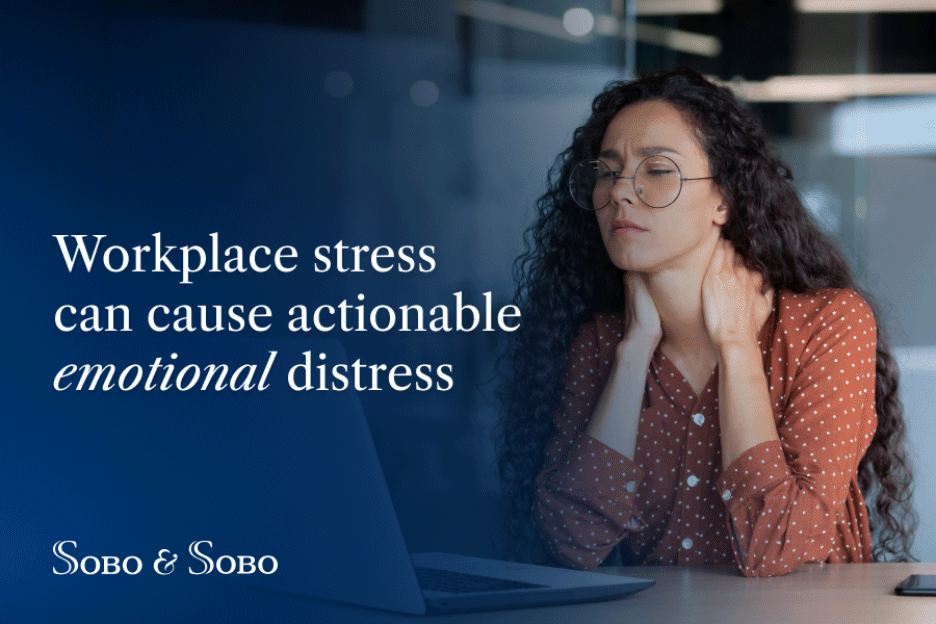
Caption: Harassment, discrimination, or a hostile work environment can lead to depression and other emotional distress
Types of Emotional Distress Claims
Emotional distress can arise in several contexts.
Emotional Distress Caused by Accidents
Car accidents, falls, and other incidents can lead to anxiety, PTSD, or depression, even when physical injuries are limited.
These claims are often included in broader personal injury cases.
Emotional Distress from Harassment or Abuse
Harassment, discrimination, stalking, and abuse can lead to severe emotional harm.
These claims often fall under intentional infliction of emotional distress and may involve significant compensation when supported by strong evidence.
Emotional Distress Related to Workplace Incidents
Hostile work environments, harassment, or abusive conduct can lead to serious emotional distress.
In some cases, legal claims may be available against individuals or third parties responsible for that conduct.
These situations are often complex, so it’s important to understand what type of claim may apply. Your emotional distress lawyer can help you with clear explanations.
Emotional Distress Connected to Personal Injury Cases
This is the most common type of claim. Emotional distress is included as part of pain and suffering damages tied to a physical injury.
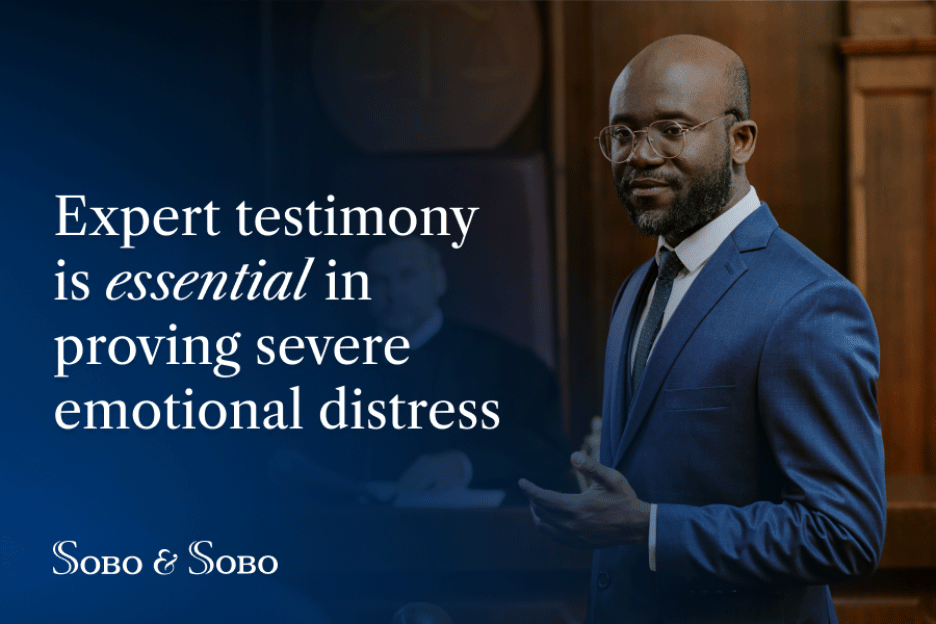
Caption: Your emotional distress lawyer will collect information from doctors, mental health professionals, and other experts to support your case
How an Emotional Distress Lawyer Proves Your Case
Strong claims are built on clear, consistent evidence.
1. Medical Records and Mental Health Documentation
Diagnosis from licensed professionals is essential.
Helpful documentation may include:
- Therapy records
- Prescriptions
- Psychological evaluations
- Hospital or treatment records
These show both the severity of the condition and its connection to the incident.
2. Witness Statements and Supporting Evidence
People close to you may be able to describe changes in your behavior, mood, or daily functioning.
Additional evidence gathered by you and your emotional distress lawyer may include:
- Personal journals
- Emails or messages
- Workplace records
This helps establish how the distress has affected your life.
3. Impact on Daily Life and Long-Term Well-Being
Evidence of real-world impact is critical.
This may include:
- Missed work or reduced income
- Sleep disturbances
- Social withdrawal
- Inability to perform normal activities
The more clearly these effects are documented, the stronger the claim.
What Damages Can You Recover for Emotional Distress?
Compensation for emotional distress focuses on non-economic damages.
Pain and Suffering Compensation
This may include:
- Anxiety and depression
- Trauma and fear
- Loss of enjoyment of life
- Emotional hardship
The amount depends on severity, duration, and supporting evidence.
Emotional Distress Settlements and Payout Ranges
Settlement values vary widely based on the facts of each case.
Examples may include:
- Moderate cases: $10,000–$75,000
- Severe cases: $100,000–$500,000+
- Extreme cases involving intentional harm: potentially higher
These are general ranges, not guarantees.
When Punitive Damages May Apply
In cases involving especially harmful or intentional conduct, courts may award punitive damages.
These are designed to punish the defendant and deter similar behavior.
Talk to an emotional distress lawyer today.
Emotional Distress Claims Without Physical Injury
Some claims involve emotional harm without any physical injury.
When Physical Injury Is Not Required
Certain cases, especially cases involving intentional misconduct, may qualify without physical harm.
Some states also allow claims when:
- You were in immediate danger
- You witnessed harm to a close relative
Challenges of Proving Emotional-Only Claims
These claims are more closely examined.
Strong evidence is essential, including:
- Medical diagnosis
- Consistent documentation
- Expert testimony
Without physical evidence, insurers and courts may scrutinize the claim more carefully.
Examples of Successful Claims
Successful cases often involve:
- Witnessing a traumatic event involving a loved one
- Severe workplace harassment
- Intentional threats or abuse
These cases succeed when evidence clearly shows both cause and impact.
How Long Do You Have to File an Emotional Distress Claim?
Deadlines vary by state, but most claims must be filed within two to three years.
For example:
- New York: typically 3 years
- New Jersey, Pennsylvania, Illinois: typically 2 years
Missing a deadline can prevent you from recovering compensation. Count on your emotional distress lawyer to help you anticipate and meet deadlines.
Factors That May Affect Deadlines
- Claims involving government entities may have shorter deadlines
- Discovery rules may apply if harm appears later
- Minors or incapacitated individuals may have extended timelines
Speaking with a lawyer early helps ensure deadlines are met.
How Much Does an Emotional Distress Lawyer Cost?
Most emotional distress lawyers work on a contingency basis.
Contingency Fees and No Win, No Fee
You pay nothing upfront. The lawyer is paid only if compensation is recovered.
Typical Fee Percentage
Fees are typically:
- Around one-third of a settlement
- Higher if the case goes to trial
What Costs Clients Should Expect
Many firms:
- Advance case costs
- Recover expenses only if the case is successful
This allows you to pursue a claim without financial pressure.
Choosing the Right Emotional Distress Lawyer
The right lawyer can make a significant difference in your case.
Experience Matters
Look for experience in:
- Emotional distress claims
- Personal injury cases
- Working with medical and mental health experts
Questions to Ask
- What is your fee structure?
- What is the expected timeline?
Red Flags to Avoid
- Guarantees of specific results
- Upfront fees in contingency cases
- Pressure to settle quickly
- Poor communication
Talk to an Emotional Distress Lawyer About Your Case
If emotional distress is affecting your life, you don’t have to handle it alone.
A consultation can help you:
- Understand whether you have a claim
- Learn what evidence is needed
- Evaluate your options
Sobo & Sobo offers free consultations and works on a contingency basis.
Call now for a free case evaluation today.