Best 6 Safety Tips for Avoiding Pedestrian Accidents in New York City
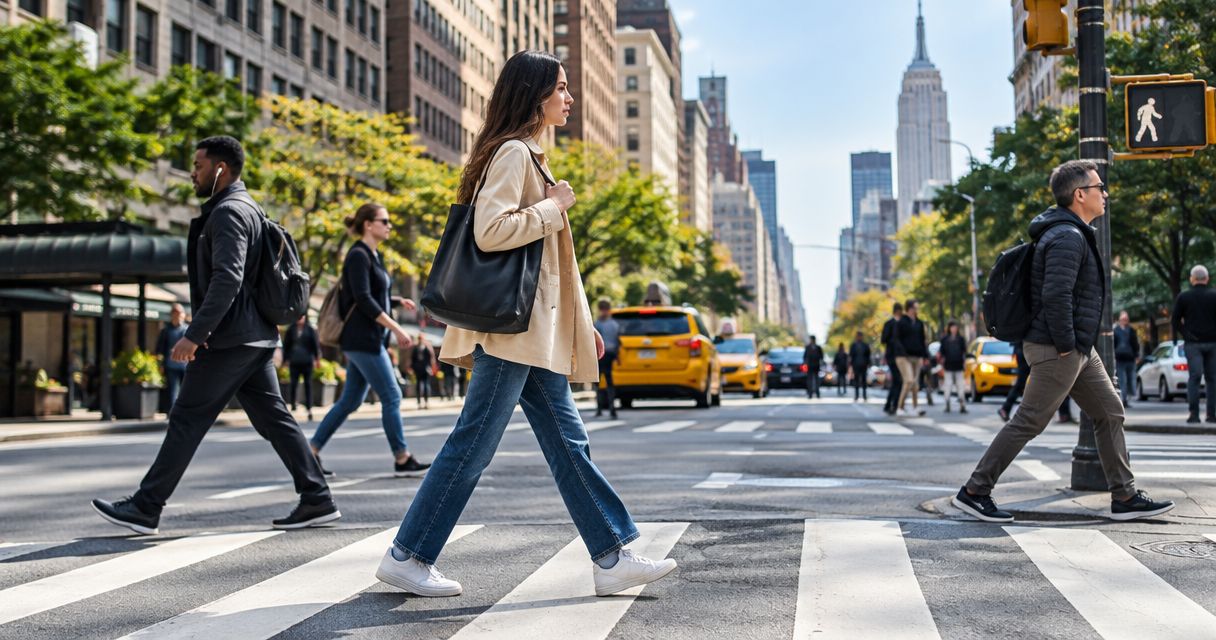
Start with designated crossings, follow pedestrian signals, and check for turning vehicles before stepping out. Use a marked crosswalk whenever one is available, and do not assume the right of way just because a signal is in your favor. Putting your phone away before reaching the curb helps you focus on what is happening around you, since distracted walking is just as risky as distracted driving. These six pedestrian accident safety tips for New York City explain practical precautions you can take in 2026, including why NYC’s Vision Zero push to reduce pedestrian fatalities still depends on individual awareness. They do not excuse careless driving, and jaywalking outside a crosswalk only adds to the risk.
- Pedestrian accident safety tips for New York City start with designated crossings, pedestrian signals, and checking for turning vehicles.
- Keep your phone away at crossings; watch vehicle movement rather than assuming a driver sees you.
- Choose visible crossing positions and avoid emerging between parked vehicles.
- Sobo & Sobo represents injured individuals pursuing personal injury claims; prevention advice does not determine legal fault.
Why This Matters
A walk signal does not remove turning traffic, blocked sightlines, or drivers who fail to yield. Check traffic before entering the crosswalk, even when the walk signal is on. Your safest decision depends on what vehicles are actually doing.
If you have already been injured, Sobo & Sobo provides personal injury legal representation. The firm represents injured individuals pursuing claims across New York, New Jersey, Connecticut, Pennsylvania, Illinois, Wisconsin, Rhode Island and Ohio on a no-win-no-pay basis.
These recommendations are here to help you make safer walking decisions, not to place blame. If you were injured, missing a precaution does not by itself decide who is legally responsible. A lawyer can review the circumstances of the collision.
What Makes the Best Pedestrian Safety Tips?
The strongest pedestrian safety advice gives you a clear action at the moment you need it. This 2026 guide ranks the tips by how directly they address a crossing decision, rather than claiming a measured reduction in accidents.
- Clear action: You should know exactly what to do before leaving the curb.
- Traffic awareness: The tip should account for turning vehicles, not just traffic approaching straight ahead.
- Visibility: Your crossing position should help you see approaching vehicles and help drivers see you.
- Attention: The advice should help you stay alert to changing traffic conditions.
- Practical limits: Every recommendation should explain what it cannot control.
No checklist guarantees safety. These precautions help you spot approaching vehicles before you step into their path.
Pedestrian Safety Tips at a Glance
| Rank and tip | Best for | Main benefit | Key limitation |
|---|---|---|---|
| 1. Designated crossings | Everyday street crossings | Gives you a defined place to assess traffic and signals | Drivers can still fail to yield |
| 2. Turn checks | Intersections with turning vehicles | Helps you identify vehicles entering your walking path | A driver’s next move is not always clear |
| 3. Distraction control | Phone use and divided attention | Keeps your attention on the crossing | Attention cannot prevent every collision |
| 4. Clear sightlines | Parked vehicles and blocked views | Helps you see traffic before entering its path | Street layout can restrict visibility |
| 5. Visibility choices | Darkness and poor weather | Makes being seen part of your crossing plan | Visible clothing does not make drivers stop |
| 6. Route planning | Construction and difficult crossings | Lets you choose a clearer walking route | Detours can add distance or create access barriers |
1. Designated Crossings: Best for Everyday Street Crossings
Start with a crosswalk or another designated crossing, and follow the pedestrian signal where one is provided. Many NYC intersections use a leading pedestrian interval (LPI), giving walkers a few seconds’ head start before turning traffic gets a green light — use that window, but keep watching. Before stepping off the curb, look for approaching vehicles, turning traffic, and anyone crossing your path from a driveway.
A walk signal is not a substitute for checking the roadway. Keep watching as you cross, especially when a stopped vehicle blocks your view of another lane. Avoid starting a crossing when the pedestrian signal tells you not to enter.
Designated crossings pros:
- Give you a defined place to evaluate traffic.
- Let you use pedestrian signals where installed.
- Reduce the need to emerge unexpectedly from between parked vehicles.
Designated crossings cons:
- A driver can ignore your right of way.
- A marked crossing can still have blocked views or turning conflicts.
Best for: Routine trips where you can choose a crossing point before reaching the street.
For your 2026 walking routine, make the crossing decision before you reach the curb. That gives you time to wait without feeling committed to stepping into traffic.
Your next step: choose a designated crossing and check traffic before entering, even when the signal says you can walk.
2. Turn Checks: Best for Intersections with Turning Vehicles
Before entering an intersection, check for vehicles turning across the crosswalk from either direction. Left-turn and right-turn collisions are among the most common ways pedestrians are struck at intersections, often because a vehicle’s pillar or mirror creates a blind spot at the exact moment of the turn. A driver can be watching for a gap in vehicle traffic while failing to notice someone walking.
Watch how vehicles move, not just where drivers look. A turn signal indicates an intended turn, but a vehicle without a signal may still turn. Likewise, eye contact does not establish that a driver will yield.
Turn checks pros:
- Direct attention to vehicles entering your walking path.
- Help you notice a vehicle beginning to move.
- Remain useful even when you have a walk signal.
Turn checks cons:
- Large vehicles and the layout of the street can block your view of approaching traffic.
- A vehicle can change direction after your initial check.
Best for: Corners where vehicles turn through the same space pedestrians use.
Stay on the sidewalk while assessing a developing turn. If a vehicle is moving across your intended path, wait for it to pass rather than relying on the driver to stop after you step out.
Your next step: look for turning vehicles before stepping off the curb, and keep watching as you cross.
3. Distraction Control: Best for Phone Use and Divided Attention
Finish reading directions, sending a message, or choosing audio before you reach the crossing. Distracted walking narrows your attention the same way distracted driving does, so treat your phone the same way near a roadway. If you need to check your route, stop somewhere on the sidewalk that does not block other pedestrians or place you beside moving traffic.
Pay attention to what you can see and hear. Turn down or pause your audio if it makes traffic harder to notice, but do not rely on hearing alone to detect approaching vehicles.
Distraction control pros:
- Helps you watch signals and vehicle movements.
- Lets you notice changes while waiting at the curb.
- Separates route checking from the crossing itself.
Distraction control cons:
- Putting your phone away does not eliminate traffic hazards.
- Noise, crowds, and stress can still divide your attention.
Best for: Anyone following unfamiliar directions, messaging, or managing competing tasks while walking.
If you are walking with someone who needs assistance, agree on the crossing plan before entering the roadway. Avoid trying to solve a navigation problem while also guiding another person through traffic.
Your next step: finish checking directions on the sidewalk, then put your phone away before crossing.
4. Clear Sightlines: Best for Parked Vehicles and Blocked Views
Avoid stepping into the street from between parked cars, behind a delivery vehicle, double-parked car, or beside an obstruction that hides approaching traffic. Some NYC intersections use daylighting — keeping the curb area near a crosswalk clear of parking — specifically to improve sightlines; use those cleared corners when you have the option. Move to a designated crossing where you can assess the roadway from the sidewalk.
Watch for a second hidden conflict when a vehicle stops for you: traffic in an adjacent lane might still be moving. Do not treat the first stopped vehicle as confirmation that the entire crossing is clear.
Clear sightlines pros:
- Help you assess traffic before entering its path.
- Reduce reliance on a driver noticing you at the last moment.
- Encourage checking beyond the nearest vehicle.
Clear sightlines cons:
- Construction barriers and parked vehicles can limit your options.
- Finding a clearer crossing can require a different route.
Best for: Streets where parked vehicles, loading activity, or barriers obscure the roadway.
If you cannot see enough to judge approaching traffic, do not step farther into an active lane just to improve the view. Choose another crossing or wait for the obstruction to clear when that is practical.
Your next step: choose a crossing with a clearer view rather than stepping into traffic to see around an obstruction.
5. Visibility Choices: Best for Darkness and Poor Weather
Choose a well-lit crossing when you have a practical choice. High-visibility clothing or reflective items can help make you more noticeable in vehicle headlights, but they do not replace pedestrian signals, clear sightlines, or a traffic check.
Rain, glare, and darkness can make it harder to assess the scene. Keep an umbrella or hood from blocking your view, and take time to check the crossing rather than hurrying simply to get out of the weather.
Visibility choices pros:
- Make lighting part of your route decision.
- Encourage keeping your own view unobstructed.
- Add another precaution alongside crossing signals and traffic checks.
Visibility choices cons:
- Reflective items do not guarantee a driver notices you.
- Lighting cannot eliminate glare, distraction, or unsafe driving.
Best for: Walks after dark or in weather that makes seeing and being seen more difficult.
For evening trips in 2026, assess the return route as well as the outward journey. A crossing that is easy to understand in daylight can be harder to assess after dark.
Your next step: use a well-lit crossing when practical and continue checking traffic, even with reflective clothing.
6. Route Planning: Best for Construction and Difficult Crossings
Choose a route with usable sidewalks and crossings you can assess. Watch for bike lanes, e-bikes, and delivery mopeds along your route — they move faster and more quietly than pedestrians expect, including when crossing against traffic. Near a school zone, expect a crossing guard and additional foot traffic, and give both extra space. Before entering a construction detour, look for pedestrian directions and whether the path continues safely beyond the next barrier.
A shorter route is not automatically the better walking route. If a closure forces you toward moving traffic, turn back to a usable crossing rather than squeezing past equipment or barriers in the roadway.
Route planning pros:
- Lets you identify difficult crossings before committing to them.
- Gives you an alternative when a sidewalk is closed.
- Helps you account for mobility needs and walking companions.
Route planning cons:
- Detours can add walking distance.
- An alternative route can still contain accessibility barriers.
Best for: Unfamiliar trips, construction zones, and routes where crossing access is uncertain.
In New York City, call 311 for nonemergency city service requests, including reporting street conditions. Call 911 for an emergency; a service request is not a substitute for immediate help when someone is in danger.
Your next step: follow a usable pedestrian route. Turn back and find another route if a detour leads toward moving traffic.
How These Safety Tips Are Ranked
Designated crossings rank first because they establish where you will cross and which signals guide the decision. Turn checks follow because turning vehicles can conflict with your path even at a marked crossing.
Distraction control, sightlines, visibility, and route planning each solve a different problem rather than offering competing versions of the same advice. This is a practical 2026 priority list, not a claim that any tip delivers a measured safety improvement. Use the recommendations together.
Which Pedestrian Safety Tip Should You Choose?
Use designated crossings and check traffic before entering the road. Add a deliberate turn check at intersections, and put your phone away before you reach the curb.
When the problem is visibility, change your crossing position or route rather than assuming extra caution will fix a blocked view. When construction removes a usable path, reassess before entering the roadway.
If you have already been injured, your next concern is getting care and understanding your options. Sobo & Sobo provides personal injury representation for injured people pursuing claims. You can discuss what happened without needing to work out fault yourself.
Explore Personal Injury Representation
Injured in a pedestrian collision? Contact Sobo & Sobo to discuss your questions and ask about no-win-no-pay personal injury representation.
FAQ
What are the best pedestrian accident safety tips for New York City?
Start with designated crossings, pedestrian signals, and a check for approaching and turning vehicles. Put your phone away, avoid blocked sightlines, and choose a usable pedestrian route rather than a shortcut through traffic.
Is it safe to cross as soon as the walk signal appears?
Check traffic before entering, even when the walk signal appears. Turning vehicles and drivers who fail to yield can still enter your path, so continue watching while you cross.
Does eye contact mean a driver will stop for me?
No. Eye contact does not establish that a driver will yield. Watch the vehicle’s actual movement and wait rather than stepping into the vehicle’s path.
What should I do when a parked truck blocks my view?
Choose a designated crossing with a clearer view rather than stepping into an active lane to look around the truck. Also check for moving traffic beyond any vehicle that has stopped for you.
Do reflective clothes prevent pedestrian accidents at night?
No clothing guarantees protection from a collision. Reflective items can help make you more noticeable in headlights, but you still need clear sightlines, traffic checks, and an appropriate crossing location.
What should I do immediately after a pedestrian collision?
Call 911 when someone is injured or there is immediate danger, and seek medical attention. Move away from active traffic if you can do so safely, and preserve photographs and witness details only when doing so does not delay care or put you at risk.
Does missing a safety precaution mean I cannot pursue a claim?
Missing a precaution does not by itself resolve whether you can pursue a claim. Responsibility depends on the facts and applicable law; Sobo & Sobo represents injured individuals pursuing personal injury claims.
One Last Thing
A driver waving you across cannot confirm that another lane is clear. Treat the gesture as information about that driver’s intention, not permission to stop checking traffic.
On your walks in 2026, keep checking beyond the vehicle that has stopped. One driver’s gesture does not tell you whether drivers in other lanes will stop.
Related Guides
- Best 8 steps to take after a car accident in New York City
- Best 7 questions to ask a construction accident lawyer in New York